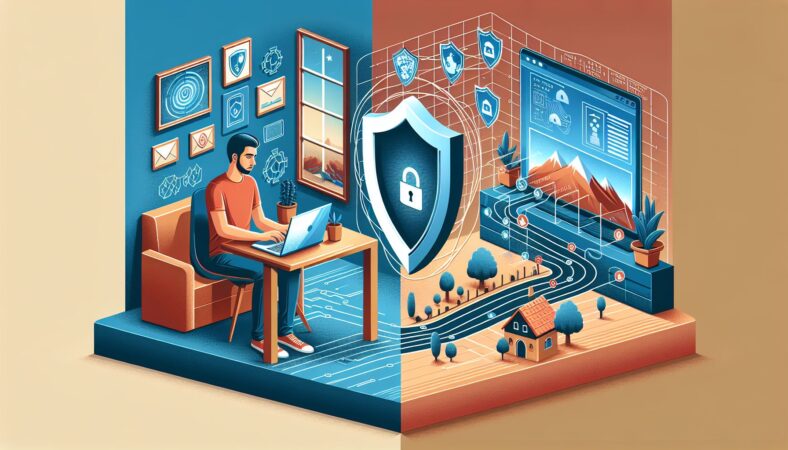
The rise of remote work has changed how businesses operate. While it offers flexibility and convenience, it also brings significant cybersecurity risks. Cybersecurity for remote workers is now a top priority for both employees and employers. Understanding these risks and implementing effective strategies is vital for protecting sensitive information and maintaining safety in the digital workspace.
Understanding Cybersecurity Risks
Remote workers face various cybersecurity threats that can compromise their data and the organization’s network. Here are some common risks:
-
Phishing Attacks: Cybercriminals often use email and messaging platforms to trick remote workers into revealing personal information. They create fake messages that appear to come from legitimate sources. Workers must verify the sender before clicking on links or providing information.
-
Unsecured Wi-Fi Networks: Many remote workers use public or home Wi-Fi for work. These networks can lack proper security measures. Cybercriminals can intercept data transmissions over unsecured networks, leading to data breaches.
-
Inadequate Security Software: Some remote workers may not have the latest security software. Outdated antivirus programs or firewalls can leave devices vulnerable to malware and unauthorized access.
-
Use of Personal Devices: Employees often use personal devices for work. These devices may not have the same level of security as company-provided equipment. This can create openings for cyber threats.
-
Social Engineering: Attackers often manipulate remote workers into disclosing confidential information. They may pose as IT personnel or other credible sources. Employees should be trained to recognize and report such attempts.
Best Practices for Remote Workers
To mitigate risks, remote workers should follow these best practices for cybersecurity:
1. Use Strong Passwords
Remote workers must use strong, unique passwords for every account. A strong password combines upper and lower-case letters, numbers, and special characters. Password managers can help manage multiple passwords securely.
2. Enable Two-Factor Authentication (2FA)
Two-factor authentication adds an extra layer of security. This method requires workers to verify their identity using a second method, like receiving a code on their phone. Implementing 2FA can significantly reduce unauthorized access.
3. Secure Wi-Fi Connections
Workers should secure their home networks with strong passwords and encryption. Avoiding public Wi-Fi for work tasks is also essential. If necessary, using a Virtual Private Network (VPN) can help encrypt data transmissions over public networks.

4. Keep Software Updated
Regularly updating security software, operating systems, and applications is crucial. Updates often include patches that fix vulnerabilities. Remote workers should enable automatic updates to ensure they remain protected.
5. Avoid Phishing Attempts
Remote workers should remain vigilant about emails and messages. They must check for suspicious signs, such as odd language or unfamiliar sender addresses. Education on identifying phishing attempts can increase awareness and safety.
6. Use Secure Devices
Whenever possible, remote workers should use company-provided devices. These devices are configured with the necessary security measures. If using personal devices, ensure they have appropriate security software.
Employing Company Policies
Organizations must implement clear cybersecurity policies for remote workers. These policies should include:
1. Employee Training
Regular training sessions help workers understand the importance of cybersecurity. Training should cover topics like identifying threats, secure usage of devices, and reporting incidents. This foundational knowledge empowers employees to act responsibly.
2. Data Protection Measures
Companies must establish data protection measures that remote workers must follow. This includes protocols for handling sensitive information, data encryption guidelines, and secure file-sharing methods.
3. Incident Response Plans
Having an incident response plan in place helps organizations react swiftly to cybersecurity breaches. Employees should know the steps to take if a security incident occurs. This ensures quick response and minimizes damage.
4. Regular Audits and Assessments
Organizations should conduct regular audits of their cybersecurity measures. This helps identify vulnerabilities in systems and protocols. Assessments provide insight into how well remote workers are adhering to security policies.
The Role of Employers
Employers play a vital role in ensuring cybersecurity for remote workers. They must create a culture of security awareness within their organization. Here are ways employers can support their remote workforce:
1. Communication Channels
Establishing clear communication channels allows employees to report issues or ask questions. This transparency fosters a culture of security. Workers should feel comfortable discussing concerns without fear of repercussions.
2. Provide Necessary Tools
Employers should equip remote workers with the right tools to ensure cybersecurity. This can include providing access to VPNs, secure email platforms, and updated security software. These tools enhance overall security for remote operations.
3. Monitor Security Posture
Firms should monitor their security posture regularly. This includes tracking user activity and identifying any unusual behavior. Monitoring can help detect potential breaches early.
4. Foster a Culture of Accountability
Making cybersecurity a shared responsibility among all employees encourages accountability. Workers should recognize that their actions directly impact the organization’s security. Encouraging open discussions about security practices can strengthen this culture.
The Challenges of Remote Cybersecurity
Despite the many strategies available, challenges remain in ensuring cybersecurity for remote workers. Some of these challenges include:
-
Human Error: Even trained employees can make mistakes. A single misclick can lead to a security incident. Continuous training and reminders are essential to minimize errors.
-
Inconsistent Practices: Different remote work setups lead to varied security practices. Some workers may not follow the same protocols, creating gaps in security.
-
Evolving Threats: Cyber threats evolve rapidly. Remote workers must stay informed about new threats and adjust their practices accordingly. Keeping up with trends in cybersecurity can be difficult for many.
Final Thoughts
Cybersecurity for remote workers is essential in today’s digital landscape. By understanding the risks and implementing best practices, both employees and employers can protect sensitive data. Continuous training, robust policies, and clear communication channels foster a secure work environment. As remote work becomes more prevalent, prioritizing cybersecurity must remain a central focus for all organizations. Providing the necessary resources and support will help create a safe digital workplace for everyone.