
Automotive cybersecurity is essential for today’s vehicles. With the increased use of digital technology, cars are now more connected than ever. This connectivity comes with risks. Hackers can exploit vehicle software and networks. Therefore, securing these systems is crucial.
Understanding Automotive Cybersecurity
Automotive cybersecurity refers to the protection of vehicle systems from unauthorized access and attacks. This includes protecting hardware, software, and communication networks within the vehicle. Cybersecurity for automotive vehicles encompasses several elements, such as secure coding, intrusion detection, and incident response.
Key Threats in Automotive Cybersecurity
Understanding threats is the first step in improving security. Common threats include:
- Malware: Malicious software can disrupt vehicle operation.
- Hacking: Unauthorized access can lead to control over vehicle functions.
- Data Breaches: Personal information stored in vehicles can be accessed and stolen.
- Physical Attacks: Attackers can manipulate vehicle hardware.
Awareness of these threats helps manufacturers and service providers design better security practices.
Best Practices for Automotive Cybersecurity
- Implement a Security Framework
A well-defined cybersecurity framework provides a structured approach to security. Frameworks like the National Institute of Standards and Technology (NIST) Cybersecurity Framework can help companies assess their current security posture. This framework includes identifying, protecting, detecting, responding, and recovering from cybersecurity incidents.
- Secure Software Development
Secure software is the backbone of vehicle systems. Car manufacturers should adopt secure coding practices during the software development process. This includes regular code reviews, vulnerability assessments, and using secure libraries. Automakers must ensure that third-party software also meets security standards.
- Perform Risk Assessments
Regular risk assessments help identify vulnerabilities. Manufacturers should conduct threat modeling to understand potential risks. Assessments should include evaluating software, hardware, and network vulnerabilities. Identifying these risks allows companies to prioritize security measures based on their impact.
- Use Encryption
Encryption serves as a barrier to unauthorized access. Data transmitted between vehicles and external systems should be encrypted to protect sensitive information. This includes communications with mobile devices, applications, and cloud services.
- Implement Intrusion Detection Systems
Intrusion detection systems (IDS) monitor vehicle networks for suspicious activities. It can provide alerts for anomalies in network traffic. An effective IDS can help detect and respond to potential attacks before they result in harm.
- Conduct Regular Security Audits
Regular security audits assess the effectiveness of cybersecurity measures. Companies should schedule these audits periodically to ensure compliance with security standards. An audit can help identify weaknesses in security policies and provide recommendations for improvement.
- Educate Employees
Employee awareness is vital in maintaining cybersecurity. Conduct training sessions to educate employees about the latest threats and safe practices. Encourage a culture of security where employees report suspicious activities.
- Develop an Incident Response Plan
An incident response plan prepares a company for potential cyberattacks. This plan should outline steps to take during a security breach. Quick response can minimize damage and restore normal operations more efficiently.
- Stay Updated with Cybersecurity Regulations
Automakers must stay informed about cybersecurity regulations. Countries are updating laws to improve vehicle cybersecurity standards. Keeping compliant helps protect both the company and its customers.
- Collaborate with Industry Partners
Collaboration within the automotive industry strengthens cybersecurity efforts. Sharing insights and experiences with other manufacturers and suppliers can lead to enhanced practices. This collaborative approach fosters innovation and helps address common security challenges.
Pros and Cons of Automotive Cybersecurity Measures
Pros
- Enhanced Safety: Improved cybersecurity protections promote safer driving experiences and reduce risks of accidents due to cyberattacks.
- Increased Customer Trust: A commitment to security builds customer confidence in a brand’s vehicles.
- Regulatory Compliance: Adhering to cybersecurity regulations minimizes legal penalties and enhances the company’s reputation.
Cons
- Cost: Implementing cybersecurity measures can be expensive. Companies may face increased operational costs.
- Complexity: Integrating security into existing systems may complicate development and deployment processes.
- Limited Resources: Smaller firms may struggle to allocate sufficient resources to cybersecurity initiatives.
Real-World Examples of Cybersecurity Incidents
Several high-profile cybersecurity incidents in the automotive industry highlight the importance of robust practices. In 2015, a security flaw allowed hackers to gain control over a Jeep Cherokee. The incident demonstrated the potential risks associated with connected vehicles. Chrysler quickly issued a recall to address the vulnerability.
In another instance, researchers showcased a vulnerability in Tesla vehicles. They demonstrated how hackers could access vehicle systems remotely, causing concern over the safety of such technologies. Tesla promptly addressed the vulnerabilities through over-the-air updates.
These examples reinforce the need for continuous vigilance in automotive cybersecurity.
Future Trends in Automotive Cybersecurity
Cybersecurity for automotive will evolve to address new challenges. Here are some future trends to anticipate:
- Artificial Intelligence: AI will enhance cybersecurity measures by predicting and detecting threats more effectively.
- Blockchain Technology: Blockchain can improve data security and integrity in automotive networks.
- Vehicle-to-Everything (V2X) Communication: As vehicles increasingly communicate with their environments, security protocols will need to evolve to protect against new vulnerabilities.
Conclusion
Automotive cybersecurity is a critical aspect of modern vehicle safety. Manufacturers must embrace proactive measures to protect against threats. By implementing best practices, staying informed about regulations, and fostering collaboration, companies can enhance their cybersecurity posture. Protecting vehicles from cyber threats not only ensures customer safety but also builds trust and loyalty in the automotive brand.
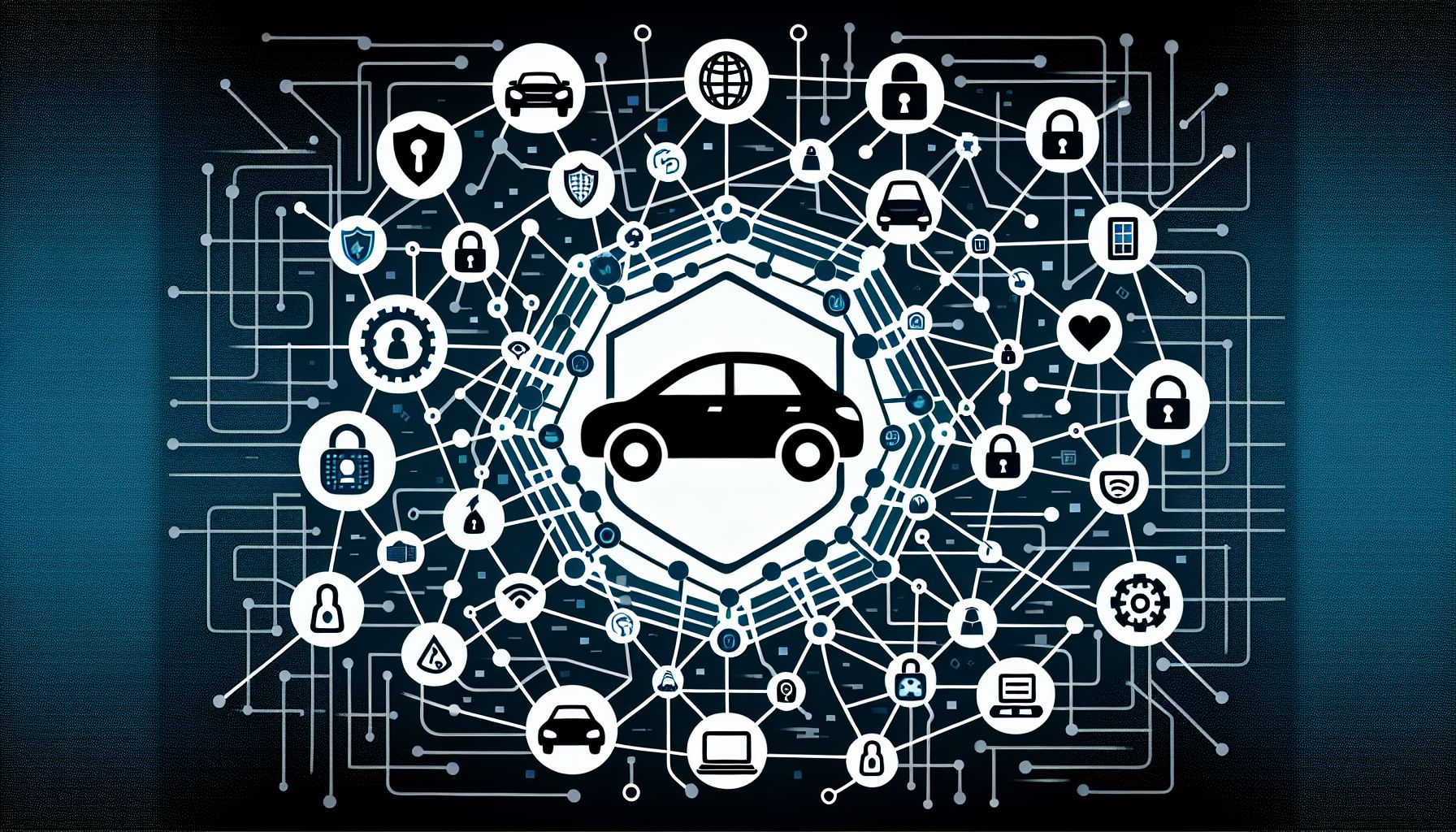
As the industry continues to innovate, prioritizing cybersecurity for automotive will be essential for maintaining safety and security on the roads.