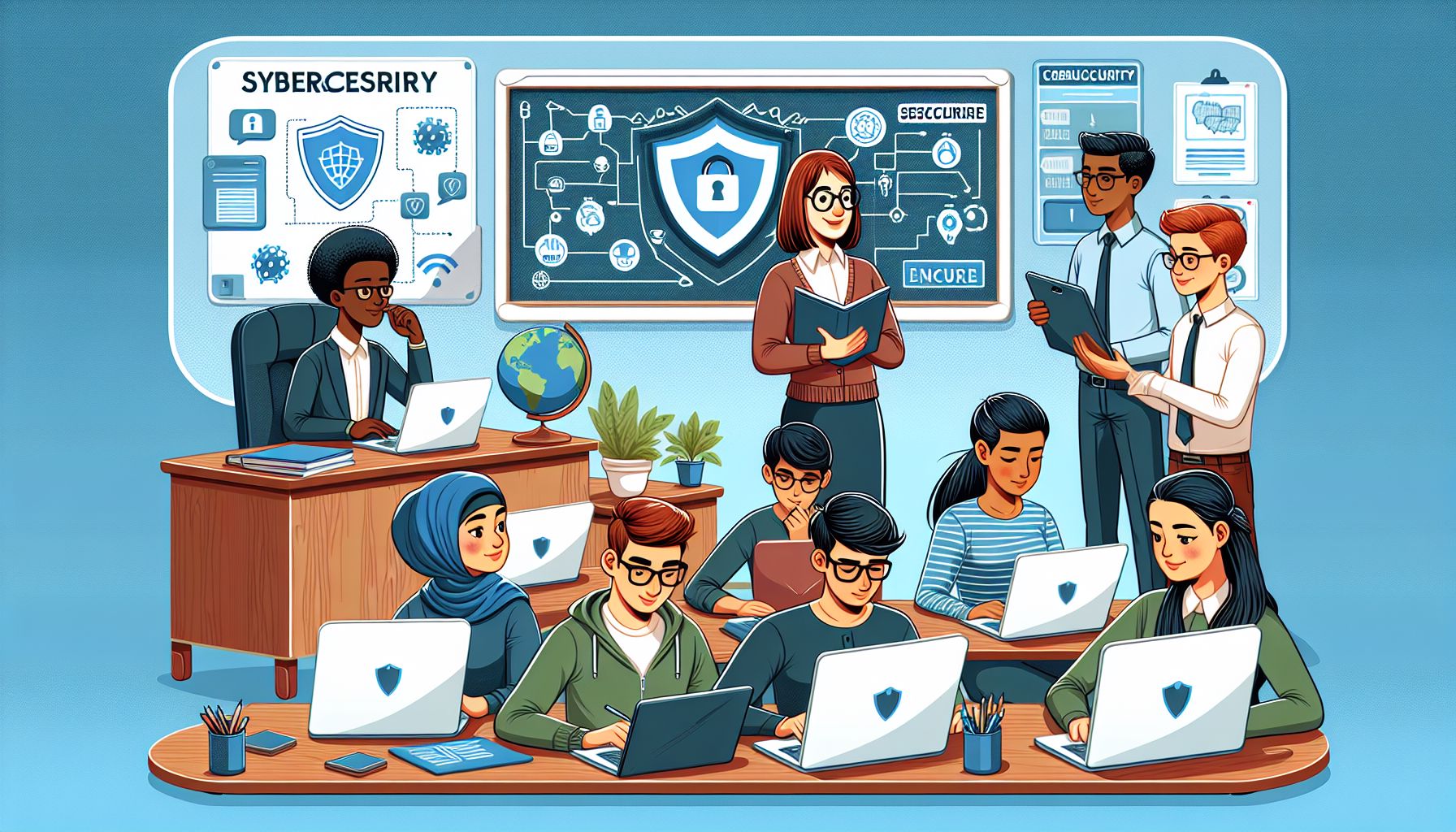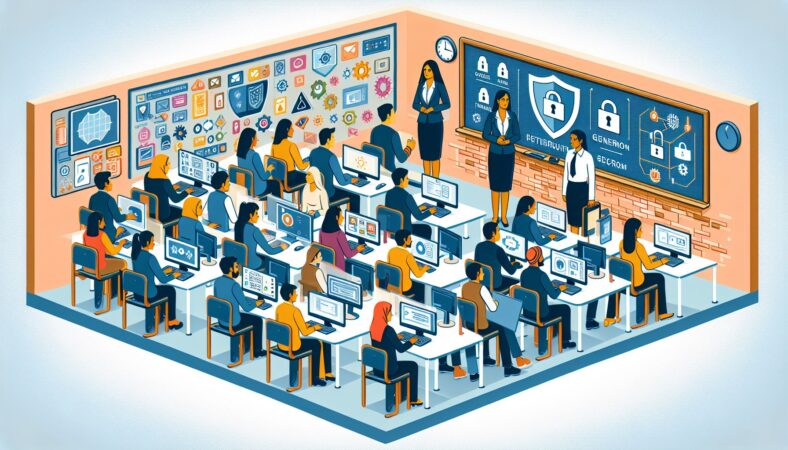
In today’s digital age, educational institutions face many cybersecurity challenges. Schools and universities use technology for teaching, administration, and communication. This reliance on technology places student and staff data at risk. Understanding and implementing strong cybersecurity measures for education is essential.
The Importance of Cybersecurity in Education
Cybersecurity for education protects the personal information of students and staff. Schools store sensitive data, including social security numbers, financial records, and academic records. A data breach can lead to identity theft and fraud. Additionally, a lack of cybersecurity can disrupt learning and erode trust within the school community.
Common Cyber Threats in Education
Educational institutions face several cyber threats. These include malware, phishing attacks, and ransomware.
-
Malware: Malware is malicious software designed to damage or disrupt systems. Schools may accidentally download malware through unsafe links or attachments in emails.
-
Phishing Attacks: Phishing attacks trick individuals into giving up personal information. Attackers often disguise themselves as trusted sources, such as school staff or vendors.
-
Ransomware: Ransomware locks data until a ransom is paid. Schools that fall victim may halt classes as they scramble to regain access to their data.
Each of these threats highlights why cybersecurity for education matters.
Best Practices for Cybersecurity in Education
To protect students and staff, educational institutions should consider several best practices.
1. Regular Training and Awareness Programs
Institutions should provide regular training on cybersecurity. Students, teachers, and staff must understand safe online practices. Training should cover recognizing phishing attempts, creating strong passwords, and reporting suspicious activity.
2. Strong Password Policies
Encourage the use of strong passwords. Passwords should contain a mix of letters, numbers, and special characters. Institutions can implement policies that require regular password changes and avoid sharing passwords.
3. Multi-Factor Authentication
Consider using multi-factor authentication (MFA). MFA adds an extra layer of security by requiring users to provide two or more verification factors. For example, after entering a password, users may need to confirm their identity via a text message or authentication app.
4. Regular Software Updates
Maintain software and systems with up-to-date information. Regular updates help close security gaps that attackers might exploit.
5. Data Encryption
Encrypt sensitive data. Encryption makes information unreadable to unauthorized users. Even if data is intercepted, attackers cannot access it without the proper decryption key.
6. Incident Response Plan
Develop a clear incident response plan. This plan outlines steps to take during a cybersecurity incident. Quick actions can minimize damage and restore normal operations faster.
Pros and Cons of Cybersecurity Measures in Education
Implementing cybersecurity measures comes with benefits and challenges.
Pros
- Data Protection: Proper cybersecurity safeguards sensitive data.
- Trust: Strong cybersecurity builds trust among students and parents.
- Continuous Learning: Training enhances digital literacy for everyone involved.
Cons
- Resource Intensive: Building a strong cybersecurity framework requires time and money.
- Resistance to Change: Some staff or students might resist new policies or training programs.
- Complexity: Implementing advanced security measures can be complicated for smaller institutions.
The Role of Technology in Educational Cybersecurity
Technology plays a crucial role in enhancing cybersecurity for education. Educational institutions can leverage various tools and software to improve security.
1. Security Software
Invest in reliable security software, including firewalls and antivirus programs. These tools protect systems from unauthorized access and malware.
2. Network Monitoring Tools
Use network monitoring tools to identify unusual activity. These tools can detect potential threats in real-time and alert administrators.
3. Cloud Security Solutions
As more schools adopt cloud services, ensuring cloud security is vital. Cloud security solutions provide additional layers of protection for data stored off-site.
Real-life Examples of Cybersecurity Incidents in Education
Learning from past incidents can enhance awareness and preparedness.
-
University of California, Berkeley: In 2020, hackers breached personal information of approximately 100,000 students and staff. The attackers accessed names, birth dates, and student IDs. This incident highlighted the importance of protecting student data.
-
K-12 School Districts: Several school districts across the United States reported ransomware attacks in recent years. These attacks disrupted learning, forcing schools to switch to remote learning temporarily.
These examples underscore the need for robust cybersecurity practices to protect educational environments.
The Future of Cybersecurity in Education
The future of cybersecurity for education looks challenging yet promising. As technology advances, so do cyber threats. Educational institutions must remain vigilant. This includes staying informed about emerging threats and adapting security measures accordingly.
Innovative Approaches
Emerging technologies, such as artificial intelligence (AI), can enhance cybersecurity. AI can analyze patterns and detect anomalies, providing timely alerts for possible attacks.
Additionally, collaborative efforts among educational institutions can strengthen overall cybersecurity. Sharing information about threats and best practices leads to a safer digital environment for all.
Conclusion
Cybersecurity for education is vital in protecting students and staff in the digital age. Schools and universities must prioritize cybersecurity measures to safeguard personal data and maintain trust within the community. By employing best practices, such as training, strong password policies, and adopting advanced technologies, educational institutions can create a secure environment for learning. The challenges remain, but with continuous efforts, the future of cybersecurity in education can become safer and more resilient.