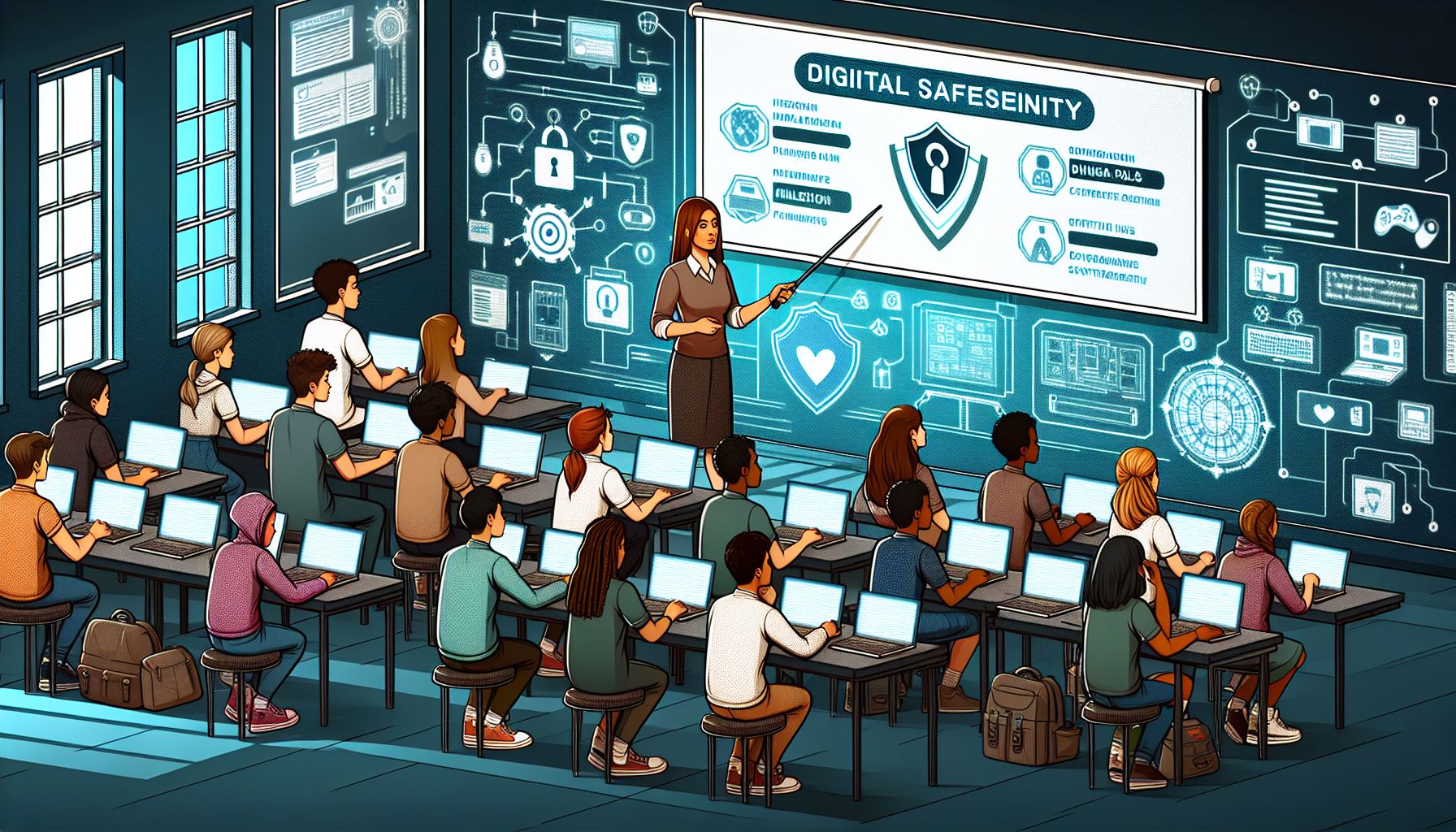
In today’s digital age, cybersecurity for education has become critical. Schools, colleges, and universities rely on technology to support learning. Yet, with this reliance comes risks. Cyber threats target educational institutions. Protecting students and staff should be a priority. This article explores the importance of cybersecurity in education and practical ways to improve protection.
Understanding Cyber Threats in Education
Cyber threats can vary in their form and impact. Hackers may try to access sensitive data. They could steal personal information, disrupt classroom activities, or infect systems with malware. Common types of cyber threats in education include:
-
Phishing: Attackers send emails pretending to be legitimate sources. They trick users into giving away sensitive information.
-
Ransomware: This malware locks files and demands payment to unlock them. Schools can face disruptions if they are attacked.
-
Data Breaches: Unauthorized access to systems can expose student and staff data. Breaches can lead to identity theft and loss of trust.
-
Distributed Denial of Service (DDoS) Attacks: These attacks overwhelm a system, causing it to shut down. This can interrupt online classes or administrative tasks.
Understanding these threats helps schools recognize the need for effective cybersecurity measures.
The Importance of Cybersecurity for Education
Cybersecurity for education is vital for various reasons. First, it protects sensitive information. Student records, financial data, and research materials require safeguarding. Second, it maintains the integrity of educational processes. A cyberattack can disrupt learning, causing delays and frustration for students and staff. Lastly, strong cybersecurity enhances trust. Parents and students depend on schools to protect their personal information.
Failure to address cybersecurity can have significant consequences. Schools can face financial losses, legal issues, and damage to their reputations. In 2020, several universities reported cyberattacks that disrupted classes and leaked data. These incidents highlight the urgency of implementing strong cybersecurity measures.
Developing a Cybersecurity Strategy
Educational institutions need to establish a clear cybersecurity strategy. This strategy should involve planning, training, and ongoing evaluation.
Assess Current Threats
The first step is assessing current threats. Schools must identify vulnerabilities in their systems. They should consider:
- What data is stored?
- Where are the systems more exposed?
- Have there been any past incidents?
Conducting risk assessments helps institutions understand their specific security needs.
Create Policies and Procedures
Next, schools need to establish clear policies and procedures. These documents should outline how to handle sensitive data. They should also explain the protocols for responding to cyber incidents. An effective policy includes:
- Guidelines for using personal devices in school.
- Steps for reporting suspected cyber incidents.
- Roles and responsibilities for staff in maintaining security.
Train Staff and Students
Cybersecurity training is essential for everyone in the education community. Schools should provide regular training sessions. These sessions help users recognize threats, such as phishing emails. Training should include:
- Password security tips.
- Safe internet browsing practices.
- Guidance on recognizing suspicious activities.
Creating a culture of awareness ensures that everyone plays a role in safeguarding information.
Implement Technical Solutions
Technical solutions are fundamental to improving cybersecurity. Schools should consider these measures:
-
Firewalls: These provide a barrier between schools’ internal networks and outside threats. Firewalls help filter malicious traffic.
-
Antivirus Software: Regularly updated antivirus software protects against malware. It detects and removes harmful software.
-
Encryption: Encrypting sensitive data adds another layer of protection. It makes information unreadable to unauthorized users.
-
Multi-Factor Authentication (MFA): MFA adds an extra step to verify users’ identities. This measure makes it harder for hackers to gain access.
Regularly Update Systems
Cybersecurity is not a one-time effort. Schools must regularly update their systems and software. Updates often include security patches that fix vulnerabilities. By staying current, schools reduce the risk of attacks.
Engaging Students in Cybersecurity
Students can also play a vital role in cybersecurity. Schools should involve them in security initiatives. Here are some ways to engage students:
Organize Cybersecurity Awareness Events
Schools can hold events focused on cybersecurity awareness. These events can include guest speakers from the cybersecurity field, workshops, or competitions. Educating students about cybersecurity makes them more aware of potential threats.
Launch Cybersecurity Clubs
Creating cybersecurity clubs allows students to explore the field further. These clubs can engage in hands-on activities. They can work on projects that enhance the school’s security or participate in cybersecurity competitions.
Encourage Responsible Online Behavior
Educators should emphasize responsible online behaviors. Teaching students about digital footprints and data privacy will help them make safer choices.
Pros and Cons of Cybersecurity Measures
When implementing cybersecurity measures, schools should consider the pros and cons.
Pros
-
Protection of Sensitive Data: Effective cybersecurity safeguards personal and academic information.
-
Enhanced Learning Environment: A secure digital environment fosters safe learning experiences.
-
Trust Among Stakeholders: Strong cybersecurity increases confidence among students, parents, and staff.
Cons
-
Costs: Implementing robust cybersecurity measures can require significant financial investment.
-
Potential for Frustration: Heightened security measures can slow down access to resources, leading to frustration among users.
-
Staff Training Requirements: Continuous training demands time and resources, which may be challenging for some institutions.
Case Studies
Examining real-world incidents provides insight into the importance of cybersecurity in education.
University of California, San Francisco (UCSF)
In May 2020, UCSF suffered a ransomware attack. The attackers demanded a ransom to decrypt valuable data. Fortunately, UCSF took steps to recover without paying the ransom. The incident revealed the need for strong cybersecurity practices and highlighted the potential damage of attacks.
K-12 Schools Attacks
Many K-12 schools faced cyberattacks during the shift to remote learning in 2020. For example, a district in Massachusetts shut down online classes after a DDoS attack. The incident disrupted education and forced schools to reassess their cybersecurity practices.
Conclusion
Cybersecurity for education is essential in protecting students and staff. Threats to educational institutions are real and increasing. Schools must assess their vulnerabilities, create effective policies, train staff and students, and implement technical solutions. Engaging the entire educational community in cybersecurity initiatives builds a safer learning environment.
Investing in cybersecurity might require time and resources, but the benefits are substantial. Protecting sensitive information fosters a culture of trust and safety. A commitment to cybersecurity ensures that educational institutions can focus on their primary mission: supporting student learning.