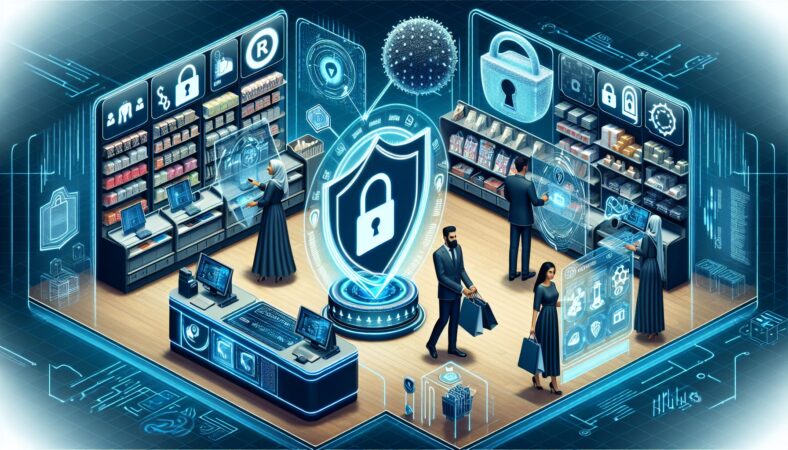
In today’s digital age, cybersecurity in retail is essential. Retail businesses handle sensitive data daily, such as customer names, addresses, and payment information. Protecting this data should be a top priority for all retail operations. This article outlines effective strategies to enhance your cybersecurity efforts.
Understanding Cybersecurity Threats
Retailers face various cybersecurity threats. These can include malware, phishing attacks, and data breaches. Malware can infect systems and steal sensitive information. Phishing attacks trick employees into revealing passwords or financial details. Data breaches occur when unauthorized individuals access sensitive data. Each of these threats can have significant consequences for retailers, affecting their reputation and financial stability.
Importance of Customer Data Protection
Protecting your customers’ data is vital for building trust. Customers expect retailers to keep their information safe. A single data breach can lead to loss of trust, customer churn, and financial loss. Furthermore, legal repercussions can arise from failing to protect customer data. Retailers must prioritize security to maintain customer loyalty and avoid legal issues.
Implementing Strong Password Policies
Strong password policies are the first line of defense in cybersecurity. Retailers should enforce complex password requirements for employees. Passwords should include a mix of letters, numbers, and symbols. Employees should also change passwords regularly to reduce the risk of unauthorized access. Additionally, two-factor authentication provides an extra layer of security. It requires users to verify their identity through a second method, such as a mobile app or text message.
Regular Software Updates and Patches
Software updates are crucial for maintaining security. Retailers must keep all systems, applications, and devices up to date with the latest security patches. Cybercriminals often exploit outdated software to gain access to systems. Retailers should establish a routine update schedule to ensure their software remains secure.
Employee Training and Awareness
Training employees on cybersecurity best practices is essential. Employees should recognize potential threats, such as phishing emails or suspicious links. Regular training sessions can help reinforce awareness. Additionally, retailers should encourage employees to report any suspicious activity immediately. A proactive approach can prevent security incidents before they escalate.
Secure Payment Processing
Payment processing systems are a prime target for cybercriminals. Retailers must choose secure payment gateways that comply with industry standards. These systems encrypt sensitive payment information and protect it during transactions. Retailers should also consider implementing chip card technology, which adds an extra layer of security to in-person transactions.
Leveraging Encryption Technology
Encryption technology effectively protects sensitive data. This process converts readable data into coded information, making it unreadable to unauthorized users. Retailers should encrypt customer data both in transit and at rest. Using encryption can protect payment information, personal details, and transaction records, ensuring that even if data falls into the wrong hands, it remains secure.
Regular Security Audits
Conducting regular security audits helps identify vulnerabilities. Retailers should evaluate their systems, networks, and processes for potential threats. Security audits can reveal areas that need improvement. Retailers can then implement solutions to address these vulnerabilities. Engaging third-party experts for audits can provide valuable insights and recommendations.
Incident Response Plan
Having an incident response plan is crucial for every retailer. This plan outlines the steps to take in the event of a data breach or cyberattack. Retailers should define roles and responsibilities for their teams during an incident. A clear plan limits the damage and allows for a faster recovery. Testing the plan regularly ensures that all employees understand their roles during an incident.
Compliance with Legal Standards
Retailers must comply with various data protection regulations. Laws such as the General Data Protection Regulation (GDPR) and the Payment Card Industry Data Security Standard (PCI DSS) set standards for data protection. Non-compliance can result in severe penalties. Retailers should familiarize themselves with these regulations and ensure that their practices adhere to legal requirements.
Investing in Cybersecurity Insurance
Cybersecurity insurance provides an added layer of protection. It can help cover the costs associated with data breaches, including legal fees and customer notifications. Retailers should evaluate the specific needs of their business and consider investing in a policy that offers comprehensive coverage. This insurance mitigates financial risks and allows retailers to focus on recovery efforts after an incident.
Future Trends in Cybersecurity for Retail
The landscape of cybersecurity is shifting. Retailers must stay updated on emerging threats and technologies. One significant trend is the use of artificial intelligence (AI) in cybersecurity. AI can detect anomalies in real time and respond to potential threats quickly. Additionally, the adoption of zero-trust architecture is on the rise. This approach assumes that threats can come from within and outside the network, requiring continuous verification for every user.
Conclusion
Cybersecurity in retail is not just a technical requirement; it is a business imperative. Retailers must take proactive steps to protect their customers’ data. By implementing strong password policies, regular software updates, employee training, and secure payment processing, retailers can create a more secure environment. Investing in cybersecurity measures is an investment in customer trust and business success.
By prioritizing cybersecurity, retailers can safeguard customer data, enhance their reputation, and ensure long-term sustainability in a competitive market. As technology evolves, so should the strategies to protect against cyber threats, making it critical for retailers to remain vigilant and responsive to new challenges.