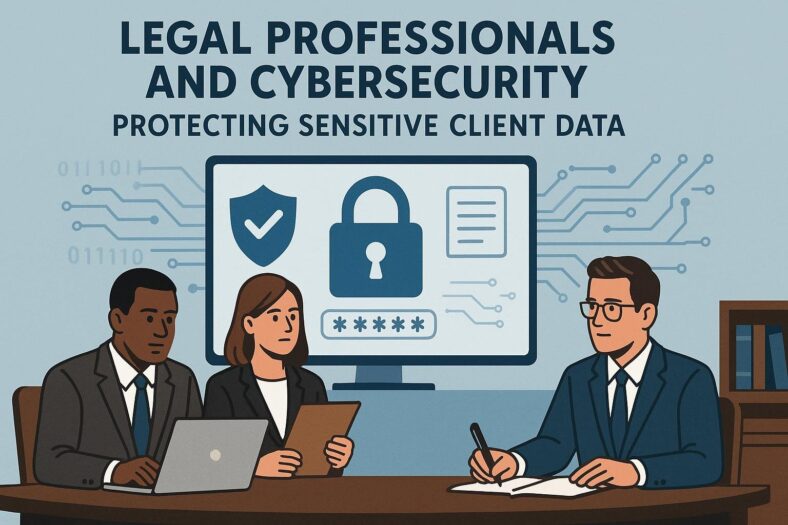
Cybersecurity is crucial for legal professionals. Lawyers and their firms hold sensitive client data, including personal information and financial records. Protecting this data is not just a responsibility; it is a legal obligation. Understanding cybersecurity measures can bolster a firm’s reputation and build client trust.
Why Cybersecurity Matters for Legal Professionals
Legal professionals face unique challenges in today’s digital landscape. Cyber incidents can compromise sensitive client data. A breach can lead to severe consequences, including financial loss, reputational damage, and legal liabilities. Clients expect lawyers to protect their information. Failing to do so can result in loss of business and trust.
Types of Cyber Threats
Legal professionals encounter various cyber threats. Understanding these threats can help firms prepare and respond effectively. Some of the most common threats include:
-
Malware: Software designed to harm a computer or network. Malware can steal, destroy, or manipulate data.
-
Phishing: An attempt to obtain sensitive information by masquerading as a trustworthy source. Phishing often occurs through deceptive emails.
-
Ransomware: This malicious software locks users out of their data until a ransom is paid. Lawyers are prime targets due to the value of their data.
-
Data Breaches: Unauthorized access to sensitive data can occur through hacking or insider threats.
-
Insider Threats: Employees or contractors may intentionally or unintentionally expose sensitive data.
Building a Cybersecurity Framework
Creating an effective cybersecurity framework involves several steps. Legal firms should implement policies and procedures to safeguard client information. Here are crucial components:
1. Employee Training
Training employees on cybersecurity best practices is essential. Staff should understand how to recognize phishing attempts, avoid suspicious downloads, and use secure passwords. Regular training reinforces safety and reduces accidental breaches.
2. Strong Password Policies
Use strong, unique passwords for all accounts. Encourage the use of multi-factor authentication (MFA) for added security. MFA requires users to provide two or more verification methods to access their accounts. This significantly reduces unauthorized access.
3. Regular Software Updates
Keep all software updated to protect against vulnerabilities. Cybercriminals often exploit outdated systems. Regular updates patch security flaws, which helps keep client data safe.
4. Secure Data Storage
Properly store and manage sensitive client data. Use encryption methods for data at rest and in transit. Encryption makes data unreadable without the proper key, adding an extra layer of security.
5. Incident Response Plan
Have a clear incident response plan in place. This plan should outline how to respond to a cybersecurity incident, including communication strategies and recovery steps. A quick response can mitigate the damage from a breach.
Compliance and Regulations
Legal professionals must comply with various regulations regarding data protection. In many places, laws mandate how firms should handle client information. For example, the General Data Protection Regulation (GDPR) enforces strict guidelines on data handling in the European Union. Similarly, the Health Insurance Portability and Accountability Act (HIPAA) governs health information privacy in the United States.
Understanding these regulations is critical. Non-compliance can result in hefty fines and legal repercussions.
Utilizing Technology for Cybersecurity
Technology offers numerous tools to enhance cybersecurity for law firms. Here are some common technologies to consider:
1. Firewalls
Firewalls act as a barrier between a trusted internal network and untrusted external networks. They filter incoming and outgoing traffic to block unauthorized access.
2. Antivirus Software
Antivirus software protects against malware and other threats. It scans and removes harmful software from devices, helping to maintain data integrity.
3. Data Loss Prevention Software
This software monitors and controls data transfers. It prevents unauthorized sharing of sensitive information, helping lawyers safeguard client data.
4. Virtual Private Network (VPN)
VPNs encrypt internet connections, making it difficult for outsiders to intercept data. Lawyers who work remotely should always use a VPN to access their firm’s network securely.
5. Cloud Security Solutions
Many legal firms use cloud services for data storage. Ensuring these services have robust security measures is essential. Look for providers that offer strong encryption and compliance with industry standards.
Pros and Cons of Cybersecurity Measures
Implementing cybersecurity measures comes with advantages and disadvantages. Understanding these can help legal professionals make informed decisions.
Pros
-
Protection of Sensitive Information: The primary benefit is safeguarding client data, which maintains trust and loyalty.
-
Regulatory Compliance: Compliance with laws helps avoid legal issues and fines.
-
Enhanced Reputation: Firms known for prioritizing cybersecurity attract more clients.
-
Prevention of Financial Loss: Preventing breaches saves money in potential ransom, litigation, and recovery costs.
Cons
-
Cost: Implementing comprehensive cybersecurity measures can be expensive, particularly for smaller firms.
-
Complexity: Managing cybersecurity can be complicated, requiring specialized knowledge and dedicated personnel.
-
Time-Consuming: Training staff and maintaining updated systems takes time away from legal work.
The Future of Cybersecurity in Legal Practice
As technology evolves, so does the risk of cyber threats. Legal professionals must stay informed about the latest trends in cybersecurity. Emerging technologies, such as artificial intelligence and machine learning, offer tools to enhance security measures.
Moreover, legal professionals should embrace a culture of cybersecurity. This culture encourages ongoing vigilance and accountability regarding data protection.
Conclusion
Legal professionals play a vital role in protecting sensitive client data. Understanding the importance of cybersecurity is essential for safeguarding information. By implementing strong cybersecurity measures, training employees, and utilizing technology, law firms can mitigate risks and build lasting client trust. The commitment to cybersecurity enhances not only the firm’s credibility but also its effectiveness in serving clients. In an age where data breaches are common, being proactive about cybersecurity is a crucial step for all legal professionals.

With effective strategies in place, legal professionals can protect sensitive client data and ensure their firms thrive in today’s digital landscape.