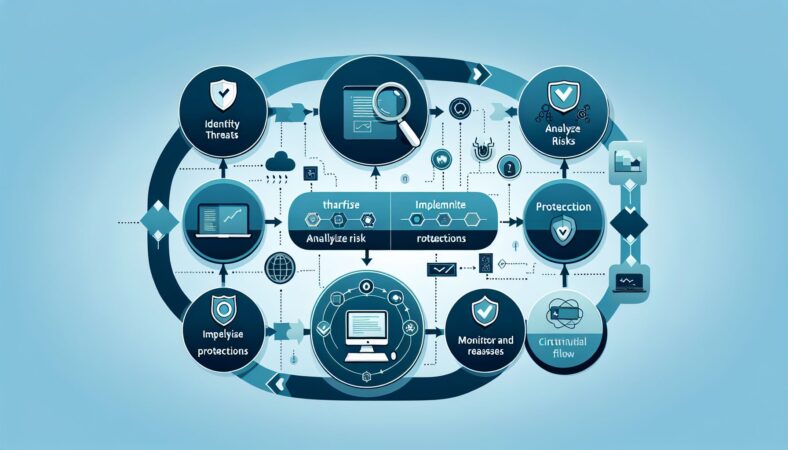
Cybersecurity is critical for all organizations today. A cybersecurity risk assessment helps identify vulnerabilities and threats. This process prioritizes actions to protect data and resources. Creating a cybersecurity risk assessment template can simplify this task. This guide will provide a clear structure to create an effective template.
What is a Cybersecurity Risk Assessment?
A cybersecurity risk assessment evaluates your organization’s technology and processes. It identifies potential threats and weaknesses in systems. The assessment provides a clear view of risks and their potential impacts.
Why You Need a Risk Assessment Template
Creating a risk assessment template saves time and ensures consistency. A well-structured template allows you to:
- Identify threats methodically.
- Document findings clearly.
- Report results to stakeholders easily.
- Track changes over time.
Key Components of a Cybersecurity Risk Assessment Template
A comprehensive risk assessment template includes several key elements. Below are the essential components to include:
1. Scope of Assessment
Define the boundaries of your assessment. What systems, networks, or data will you analyze? Be clear about what is included and excluded.
2. Asset Inventory
List all assets that need protection. This includes hardware, software, data, and network components. Each asset should have associated values based on its importance to the organization.
3. Threat Identification
Identify potential threats to each asset. Consider both internal and external threats, such as:
- Malware
- Phishing
- Data breaches
- Insider threats
4. Vulnerability Assessment
Evaluate the weaknesses in your systems and processes. Determine how each vulnerability could be exploited by threats. This step helps prioritize which vulnerabilities to address first.
5. Risk Evaluation
Assess the risk level for each combination of threats and vulnerabilities. Use a simple scale to categorize risk levels, such as high, medium, and low. This will help to easily communicate the urgency of addressing specific risks.
6. Risk Mitigation Strategies
For each identified risk, outline strategies to reduce or eliminate it. These strategies can include:
- Implementing technical controls, such as firewalls or encryption
- Improving employee training and awareness
- Establishing regular software updates and patching
7. Action Plan
Develop an action plan based on your mitigation strategies. This should include:
- Specific tasks
- Assigned responsibilities
- Deadlines for completion
8. Monitoring and Review
Finally, include a method for monitoring risks and reviewing the assessment regularly. Set a schedule for updates, which could be quarterly, bi-annually, or annually.
Creating Your Cybersecurity Risk Assessment Template
Follow these steps to create your template:
Step 1: Choose a Format
Decide whether your template will be digital or printed. Digital formats allow for easier updates and data management. Consider using spreadsheet software or document processing tools.
Step 2: Outline the Sections
Use the key components listed above as headers in your template. Each section should have space for detailed notes.
Step 3: Gather Input
Engage relevant team members in the creation process. They can provide insights on specific threats and vulnerabilities. Their input can make your assessment more accurate.
Step 4: Test and Adjust
Use the template on a small-scale assessment first. Take note of what works well and what needs improvement. Adjust the template based on feedback and results.
Step 5: Roll Out
Once you have finalized your template, distribute it to relevant team members. Provide instructions on how to complete the assessment.
Pros and Cons of Using a Cybersecurity Risk Assessment Template
Pros
- Consistency: Templates encourage a standardized approach across the organization.
- Efficiency: They speed up the risk assessment process, saving time.
- Documentation: Templates provide a clear record of assessments for future reference.
Cons
- One Size Does Not Fit All: A generic template might not address unique organizational needs.
- Overlooking Details: Relying too heavily on a template can result in missing specific risks or vulnerabilities.
Real-World Example of a Cybersecurity Risk Assessment Template
Here’s a simple example of what your cybersecurity risk assessment template might look like:
Cybersecurity Risk Assessment Template Example
| Asset Name | Threats | Vulnerabilities | Risk Level | Mitigation Strategies | Action Plan |
|————|——————–|———————–|————|—————————–|——————|
| Employee Database | Data Breach | Weak passwords | High | Implement MFA | Assign IT team to manage by end of Q2 |
| Web Application | SQL Injection | Insufficient Input Validation | Medium | Regular code reviews | Schedule quarterly reviews |
| Email System | Phishing | Lack of employee training | High | Conduct training sessions | Plan training for next month |
Final Thoughts
Creating a cybersecurity risk assessment template is essential for any organization. It provides structure for identifying and managing risks effectively. The template should be easy to use and adapt as needed. Remember to engage team members and review your assessment regularly. With a solid risk assessment in place, your organization can enhance its security posture.