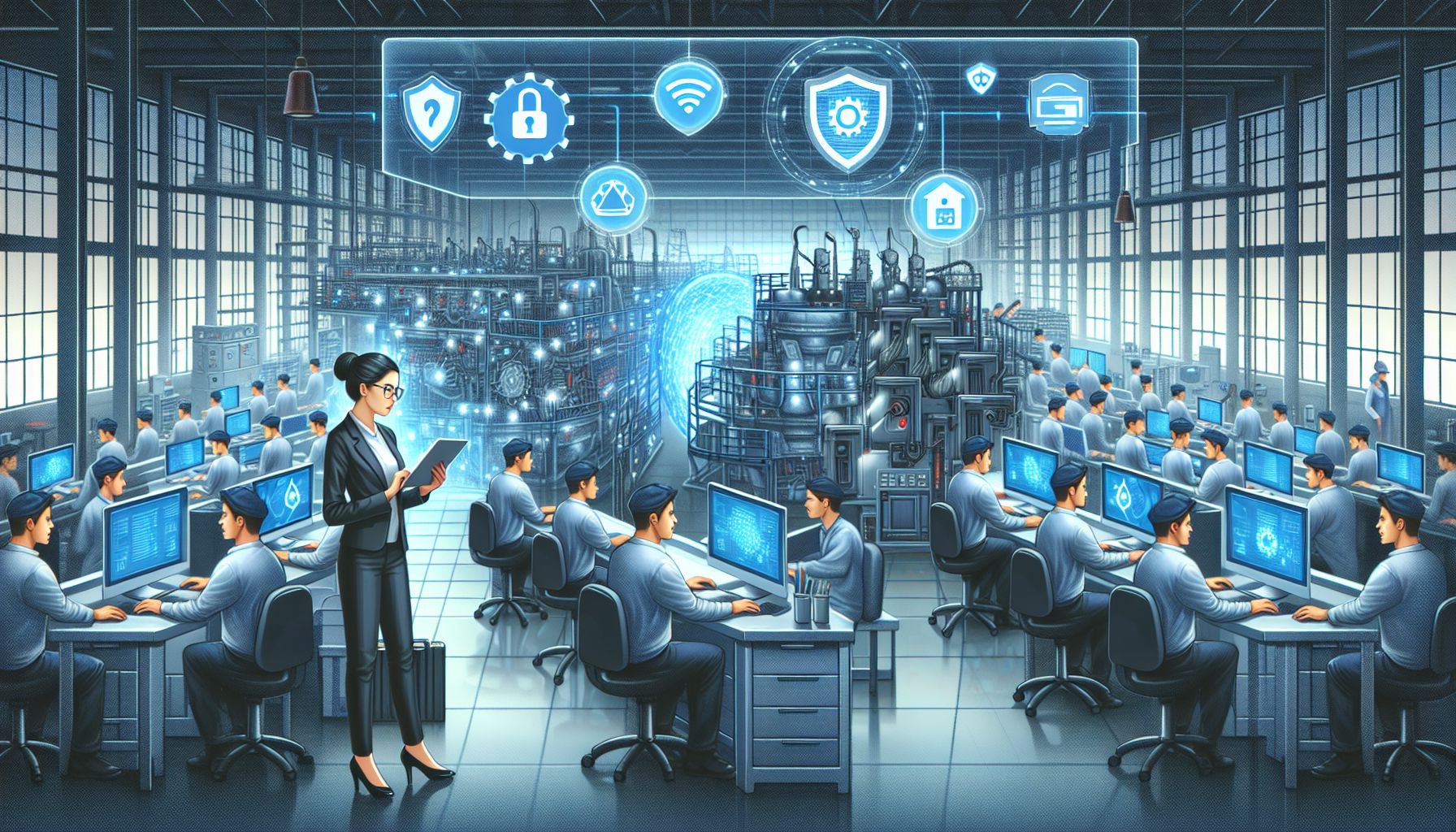
Cybersecurity for manufacturing is crucial. As factories advance and adopt smart technologies, they become more vulnerable to cyber threats. Protecting production lines from cyber attacks ensures safety, efficiency, and continuous operation. This article explores the importance of cybersecurity for manufacturing, common threats, best practices, and real-world examples.
Understanding Cybersecurity for Manufacturing
Cybersecurity for manufacturing refers to safeguarding industrial environments against cyber threats. These threats aim to disrupt processes, steal sensitive data, or damage equipment. Cybersecurity includes a wide range of practices, technologies, and processes to protect computer systems and networks.
Manufacturers rely on various technologies, such as the Internet of Things (IoT), automation, and cloud computing. While these technologies enhance productivity, they also create vulnerabilities. Cyber attacks can lead to severe consequences, including financial loss, production halts, and reputation damage.
Common Cyber Threats in Manufacturing
Manufacturers face several cyber threats. Understanding these threats helps in developing an effective cybersecurity strategy.
1. Ransomware
Ransomware is a malicious software that locks users out of their systems. Attackers demand a ransom to restore access. Manufacturing companies are prime targets due to their reliance on continuous operations. Downtime can lead to significant financial losses.
2. Phishing Attacks
Phishing attacks use deceptive emails to trick employees into revealing sensitive information. Attackers often impersonate trusted sources. Successful phishing attacks can lead to unauthorized access to sensitive data or systems.
3. Insider Threats
Insider threats come from employees or contractors. These individuals may intentionally or unintentionally compromise security. Unsecured devices, poor data handling, or lack of training can lead to breaches.
4. Distributed Denial of Service (DDoS) Attacks
DDoS attacks overwhelm systems with traffic, causing downtime. These attacks can disrupt production by blocking access to essential services.
5. Supply Chain Attacks
Supply chain attacks exploit weaknesses in third-party vendors. Manufacturers often rely on numerous suppliers. A breach in one supplier can lead to vulnerabilities in the manufacturer’s systems.
Importance of Cybersecurity for Manufacturing
Cybersecurity for manufacturing is essential for several reasons.
Protecting Sensitive Data
Manufacturers store sensitive data, including trade secrets, financial information, and customer details. A breach can lead to significant losses and legal issues.
Ensuring Safety
Cyber threats can disrupt automated processes. This disruption can lead to unsafe conditions for workers and equipment. Ensuring cybersecurity helps maintain a safe working environment.
Maintaining Productivity
Downtime caused by cyber attacks can halt production lines. Protecting against cyber threats is vital for maintaining steady operations and meeting production goals.
Complying with Regulations
Manufacturers must comply with various regulations regarding data protection and cybersecurity. Non-compliance can result in fines and legal repercussions.
Best Practices for Cybersecurity in Manufacturing
Implementing effective cybersecurity practices protects manufacturing operations. Here are some best practices to consider:
1. Conduct Regular Risk Assessments
Regular risk assessments identify vulnerabilities in systems and processes. Assessments help prioritize security measures and allocate resources effectively.
2. Employee Training
Training employees on cybersecurity awareness is crucial. Educated employees are less likely to fall victim to phishing attacks or other threats. Regular drills and updates keep cybersecurity top-of-mind.
3. Use Strong Password Policies
Weak passwords expose systems to attacks. Implement strong password policies that require unique, complex passwords. Encourage regular password changes and use multi-factor authentication where possible.
4. Segment Networks
Network segmentation limits access to critical systems. By separating networks, manufacturers can minimize the impact of a potential breach. This practice helps contain threats and protects sensitive information.
5. Regular Software Updates
Outdated software can harbor vulnerabilities. Regularly updating software and firmware helps close security gaps. Automated updates can simplify this process.
6. Implement Monitoring and Response Plans
Continuous monitoring of systems detects unusual activities. An incident response plan outlines steps to take during a cyber event. Being prepared can minimize damage and recovery time.
Investing in Cybersecurity Technologies
Investing in cybersecurity technologies enhances protection. Here are some effective technologies for manufacturers:
1. Firewalls
Firewalls act as barriers between internal networks and external threats. They monitor and control incoming and outgoing traffic. Implementing firewalls helps block unauthorized access.
2. Intrusion Detection Systems (IDS)
IDS monitor network traffic for suspicious activities. These systems alert security teams to potential breaches, allowing for quick responses.
3. Antivirus Software
Antivirus software detects and removes malicious software. Regular updates ensure protection against the latest threats. Implementing reliable antivirus solutions is a must for manufacturers.
4. Encryption
Encryption protects sensitive data by converting it into unreadable code. Only authorized users with the decryption key can access the data. This practice adds an extra layer of security for critical information.
5. Backup Solutions
Regular data backups are essential. In case of a ransomware attack or data loss, backups allow quick recovery. Invest in secure cloud-based backup solutions to ensure data safety.
Real-World Examples of Cyber Attacks in Manufacturing
Understanding real-world examples illustrates the importance of cybersecurity for manufacturing.
NotPetya Attack
In 2017, the NotPetya ransomware attack impacted several global manufacturers, including pharmaceutical giant Merck. The attack disrupted production and caused extensive financial losses. Companies learned the significance of cybersecurity and the potential consequences of insufficient measures.
Honda Cyber Attack
In 2020, Honda experienced a cyber attack that forced it to shut down operations worldwide. The attack led to production halts and delays in vehicle deliveries. This incident highlighted the vulnerabilities faced by manufacturers and the critical need for cybersecurity.
Conclusion
Cybersecurity for manufacturing is not optional; it is essential. As manufacturing technologies continue to advance, so do the threats. Protecting production lines from cyber attacks requires awareness, investment in technologies, and a commitment to best practices. Manufacturers must prioritize cybersecurity to ensure safe, efficient, and uninterrupted operations.
By implementing effective strategies and technologies, manufacturers can shield themselves from cyber threats. The investment in cybersecurity pays off by protecting sensitive data, ensuring safety, maintaining productivity, and complying with regulations. Stay proactive, and secure your production lines today.