
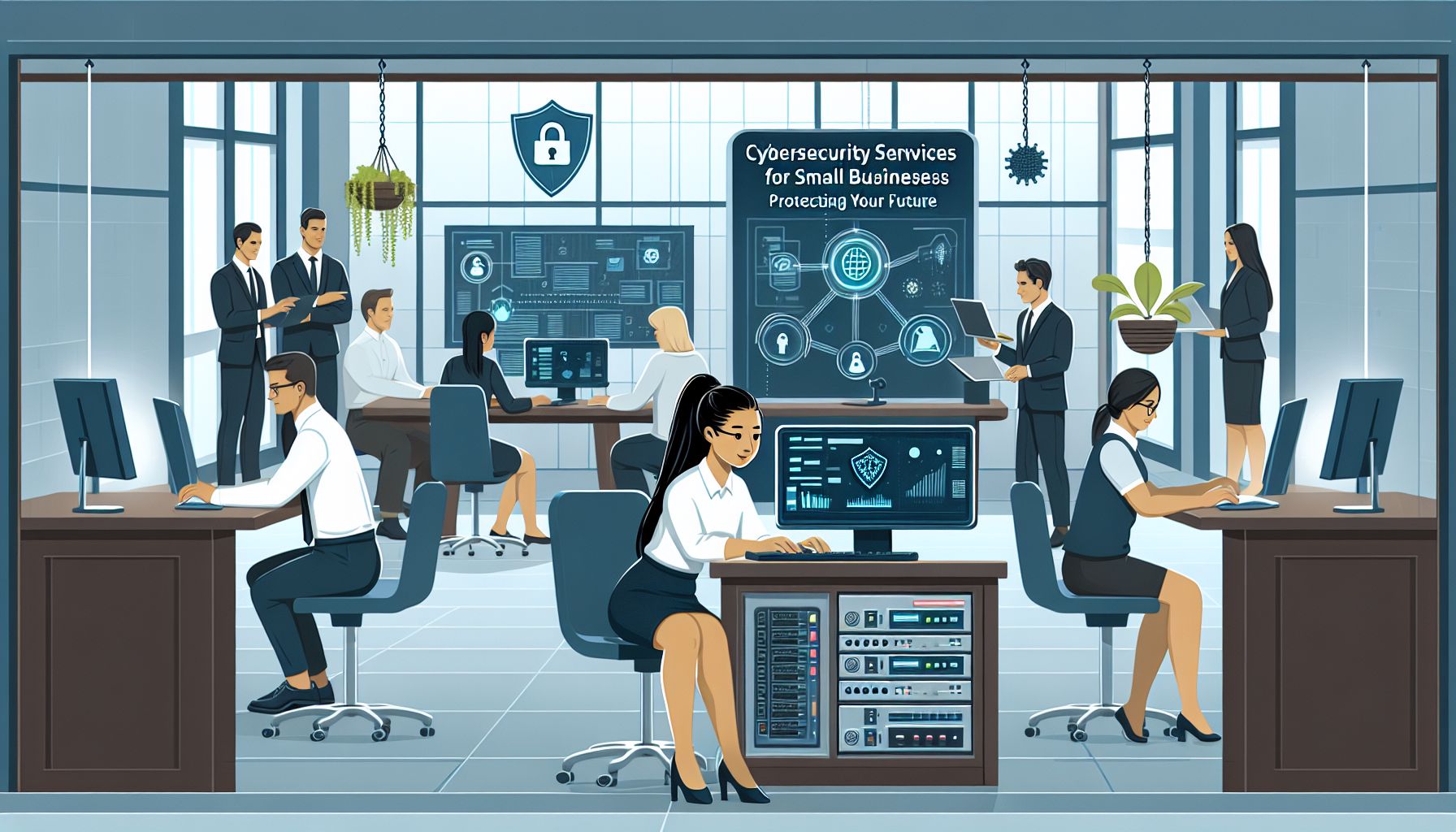
In today’s digital age, cybersecurity services for small businesses are essential. Cyber threats can cause significant damage. These services help defend your business against such risks. Understanding these services is crucial for securing company data and protecting customer information.
Importance of Cybersecurity for Small Businesses
Small businesses often underestimate their vulnerability. They believe that cybercriminals target larger organizations. However, small businesses are frequent targets. Many have limited resources, making them easier to attack. A successful cyberattack can lead to data loss, financial loss, and damage to reputation. Cybersecurity services help mitigate these risks.
Common Cyber Threats to Small Businesses
-
Phishing Attacks: Cybercriminals send fake emails to trick employees into providing sensitive information.
-
Ransomware: This type of malware locks files and demands payment to unlock them.
-
Data Breaches: Attackers access sensitive information, leading to financial and reputational harm.
-
DDoS Attacks: Distributed denial-of-service attacks overwhelm systems, rendering them inoperable.
-
Malware: Malicious software infects systems, disrupting operations and compromising data security.
Understanding these threats helps small businesses appreciate the value of cybersecurity services.
Key Cybersecurity Services for Small Businesses
Small businesses can choose from several effective cybersecurity services. Each service focuses on a specific aspect of security.
1. Security Assessments
Security assessments evaluate your current security measures. A cybersecurity expert reviews your systems and identifies vulnerabilities. This process helps you understand where improvements are needed.
2. Firewall Protection
Firewalls act as barriers between your network and external threats. They monitor incoming and outgoing traffic. Installing a robust firewall can prevent unauthorized access to your systems.
3. Antivirus and Anti-Malware Software
Antivirus and anti-malware programs protect against malicious attacks. These tools regularly scan your systems for threats. They also offer real-time protection, blocking potential attacks before they can do damage.
4. Employee Training
Many cyberattacks exploit human error. Training employees on cybersecurity best practices is essential. Regular workshops can educate staff on recognizing phishing attempts and safe internet usage.
5. Data Encryption
Data encryption secures sensitive information by converting it into unreadable code. Even if attackers access your data, they cannot use it without the decryption key. Utilizing encryption enhances the protection of customer data and business secrets.
6. Incident Response Planning
A solid incident response plan prepares your business for a cyberattack. This plan outlines steps to take in the event of a breach. Quick and effective responses can minimize damage and restore operations faster.
7. Cloud Security
Many small businesses use cloud services to store data. Cybersecurity services can help secure these services. Protecting cloud data involves implementing access controls and continuous monitoring to prevent unauthorized access.
Pros and Cons of Cybersecurity Services
Understanding the pros and cons can help you decide whether to invest in cybersecurity services.
Pros
- Enhanced Protection: Specialized services reduce the risk of attacks.
- Peace of Mind: Knowing your business is secure allows you to focus on growth.
- Regulatory Compliance: Many industries require specific security measures. Cybersecurity services help ensure compliance.
- Customer Trust: Demonstrating a commitment to security builds trust with customers.
Cons
- Cost: Small businesses may find cybersecurity services expensive.
- Complexity: Implementing new systems and processes can be challenging.
- Resource Allocation: Diverting attention to cybersecurity may strain limited resources.
Striking a Balance
Despite the costs and complexities, the benefits of cybersecurity services for small businesses exceed the challenges. Investing in these services protects your business now and in the future.
Choosing the Right Cybersecurity Services
Selecting the right cybersecurity services is critical. Here are steps to help you make informed decisions.
1. Assess Your Needs
Evaluate your current security posture. Identify the unique threats your business faces. This assessment helps you determine which services are most necessary.
2. Budget Considerations
Consider your budget for cybersecurity. Prices vary based on the size of your business and the services you require. Research options that fit your financial constraints.
3. Research Providers
Look for reputable cybersecurity service providers. Check reviews and testimonials. Engage with providers that have experience working with small businesses.
4. Request Demonstrations
Before committing, request demonstrations or trials. This allows you to see how different services work in practice.
5. Continuous Improvement
Cybersecurity isn’t a one-time effort. As threats change, so should your defenses. Regularly review and update your security measures to stay protected.
Conclusion
Cybersecurity services for small businesses are essential for protecting your future. A proactive approach can safeguard your business from cyber threats. Implementing these services not only protects sensitive data but also builds customer trust and loyalty.
The risks of cyberattacks are too significant to ignore. Investing in cybersecurity services is not just a choice; it is a necessity. By prioritizing cybersecurity, small businesses position themselves for long-term success.
In summary, small businesses must acknowledge cybersecurity as a critical component of their operations. The right cybersecurity services not only protect your assets but also enhance your overall business strategy. Understanding and utilizing these services is a step toward a more secure future.