
Small businesses face unique challenges in the realm of cybersecurity. They often lack the resources and expertise to manage advanced threats. However, innovative cybersecurity solutions can strengthen their defenses. This article explores essential cybersecurity solutions for small businesses. It also discusses best practices and important factors to consider.
Understanding Cybersecurity Risks
Cybersecurity risks for small businesses include data breaches, phishing attacks, and ransomware. Many small businesses store sensitive information, such as customer data and financial records. Attackers target these businesses because they may have weaker security measures than larger firms. Understanding these risks is crucial for any small business owner.
Key Cybersecurity Solutions for Small Businesses
1. Antivirus Software
Antivirus software protects computers and networks from malicious software. This software scans for and removes viruses, malware, and ransomware. Small businesses should invest in reputable antivirus solutions to safeguard their devices. Many providers offer solutions tailored for small businesses, ensuring they get the right protection.
2. Firewalls
Firewalls serve as a barrier between internal networks and external threats. They monitor incoming and outgoing traffic and block unauthorized access. Small businesses can use hardware or software firewalls. Each type provides essential protection, but a combination of both offers enhanced security.
3. Multi-Factor Authentication (MFA)
Multi-factor authentication adds an extra layer of security. It requires users to provide two or more verification factors to access accounts. This method significantly reduces the risk of unauthorized access. Small businesses should implement MFA for all critical systems and accounts to protect sensitive data.
4. Employee Training
Many data breaches occur due to human error. Employees may fall for phishing scams or mishandle sensitive information. Regular training helps employees recognize threats and follow security protocols. Small businesses should conduct training sessions to keep staff informed of the latest cybersecurity trends.
5. Cloud Security Solutions
Many small businesses use cloud services for storage and data management. Cloud security solutions protect this data from unauthorized access and breaches. Providers often offer built-in security features. However, small businesses should also implement their own security measures, such as encryption and access controls.
6. Regular Software Updates
Outdated software poses a significant security risk. Software developers frequently release updates to fix vulnerabilities. Small businesses should regularly update all software, including operating systems, applications, and plugins. Automating updates can help ensure businesses do not overlook this crucial step.
7. Data Backup and Recovery
Data loss can result from hardware failures, cyberattacks, or natural disasters. Regular data backups protect vital information. Small businesses should implement a robust backup plan. They can use cloud storage or external hard drives for backups. Additionally, regular recovery tests ensure businesses can restore data quickly when needed.
8. Incident Response Plan
An incident response plan outlines steps to take during a cybersecurity incident. This plan helps businesses respond swiftly and effectively to limit damage. Small businesses should develop a clear incident response plan and train their staff on its execution. Regular reviews of the plan ensure it remains current and effective.
9. Security Audits
Regular security audits help identify vulnerabilities and assess security measures. Small businesses should conduct these audits at least annually. They can involve self-assessments or hiring third-party cybersecurity experts. Audits provide valuable insights, allowing businesses to strengthen their defenses.
Pros and Cons of Cybersecurity Solutions
Pros
- Increased Protection: Investing in cybersecurity solutions significantly lowers the risk of cyberattacks and data breaches.
- Employee Awareness: Training and security measures foster a culture of cybersecurity awareness among employees.
- Compliance: Many industries require specific cybersecurity measures. Implementing solutions helps businesses adhere to regulatory requirements.
Cons
- Cost: Small businesses may struggle with the cost of implementing multiple cybersecurity solutions.
- Complexity: Managing various security solutions can become complex, especially for businesses with limited IT expertise.
- False Sense of Security: Some businesses may believe they are fully protected with one or two solutions, underestimating the importance of comprehensive security.
Why Choose Innovative Solutions?
The cybersecurity landscape evolves rapidly. Innovative solutions address emerging threats and provide businesses with cutting-edge protection. Cloud-based security services, threat intelligence platforms, and AI-driven technologies enhance small business security. These solutions offer scalability, often adapting to a growing business’s needs.
1. Cloud-Based Security Services
Cloud-based security solutions provide flexibility and scalability. They allow small businesses to access advanced security features without investing in complex infrastructure. Providers often manage updates and maintenance, reducing the burden on internal teams. This approach enables more focus on core business operations.
2. Threat Intelligence Platforms
Threat intelligence platforms analyze real-time data about potential threats. They help small businesses identify vulnerabilities before attackers exploit them. By monitoring global threat trends, these platforms provide actionable insights. Small businesses can adjust their security measures accordingly.
3. AI-Driven Security Solutions
Artificial intelligence enhances cybersecurity by identifying patterns and anomalies. AI-driven solutions can detect unusual activity and respond to threats in real time. These tools adjust over time, learning from previous incidents and improving response strategies. Small businesses can benefit from AI’s capabilities without needing extensive security expertise.
Implementing Cybersecurity Solutions
Implementing cybersecurity solutions requires a systematic approach. Small businesses should evaluate their specific needs and existing vulnerabilities. A thorough risk assessment identifies areas requiring improvement. Once businesses understand their weaknesses, they can select appropriate cybersecurity solutions.
Steps for Implementation
- Risk Assessment: Analyze current systems and identify vulnerabilities.
- Set Priorities: Determine which assets are most critical and require immediate protection.
- Choose Solutions: Select the best cybersecurity solutions that fit the budget and needs.
- Establish Policies: Develop clear security policies for employees.
- Train Employees: Conduct training sessions to educate staff about cybersecurity best practices.
- Monitor and Update: Regularly review and update security measures to keep pace with changing threats.
Conclusion
Cybersecurity solutions for small businesses are essential in today’s digital landscape. These solutions help protect against threats and strengthen overall security. By implementing effective cyber defenses and prioritizing employee training, small businesses can reduce risks and safeguard valuable data.
Investing in innovative cybersecurity solutions is a proactive measure that can save small businesses from potential losses and reputational damage. Embracing these technologies not only secures business operations but also builds customer trust.
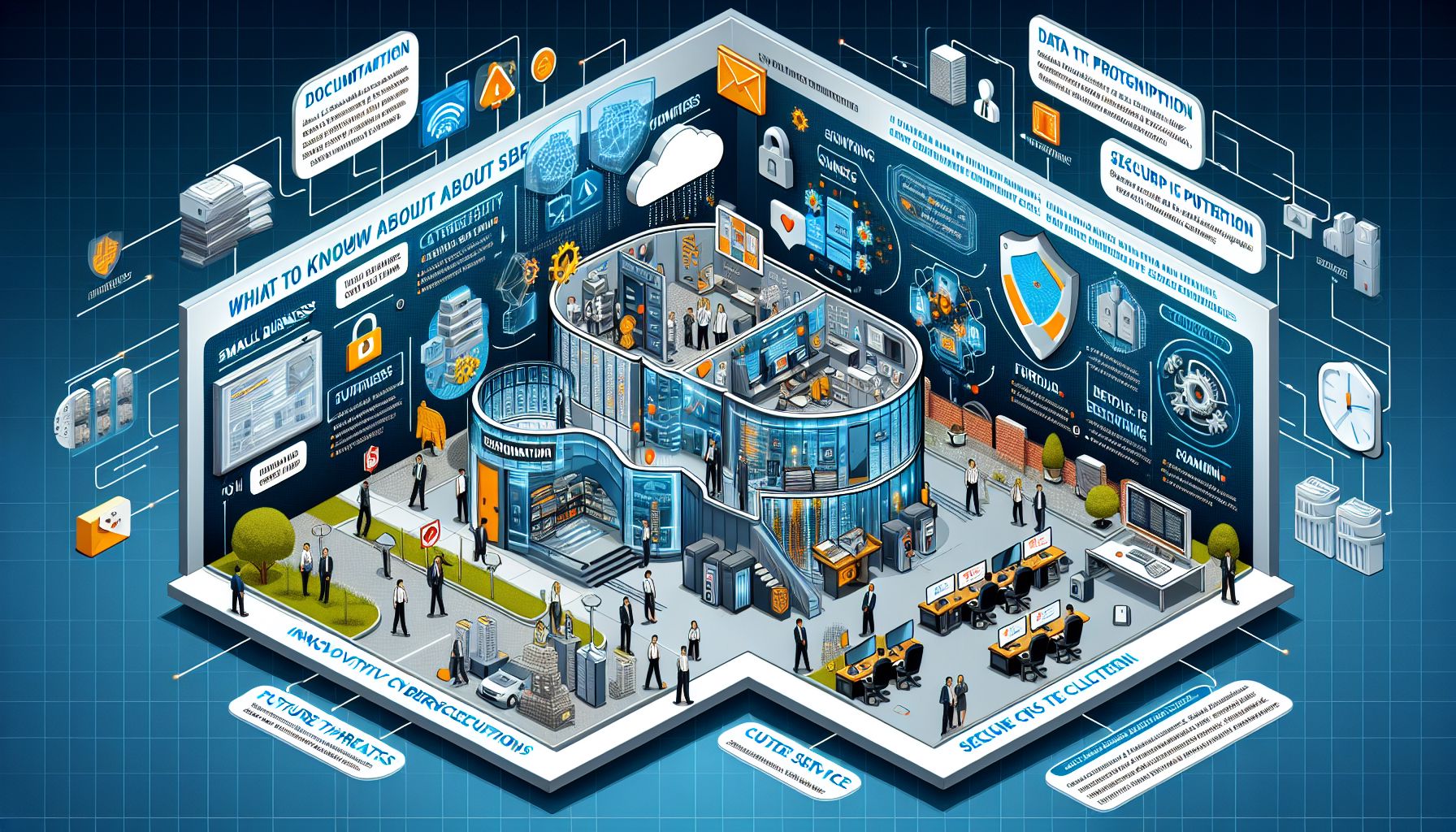
By staying informed and vigilant, small businesses can create a safer digital environment for themselves and their customers.