
In today’s digital age, the logistics sector faces significant cybersecurity threats. Cybersecurity for logistics is crucial for protecting sensitive data and ensuring smooth operations. The supply chain’s interconnected nature means that one weakness can lead to widespread issues. Organizations must adopt strong cybersecurity measures to safeguard their operations and information.
Understanding Cybersecurity in Logistics
Cybersecurity for logistics involves protecting computer systems, networks, and data within the logistics and supply chain sector. This includes measures to defend against cyberattacks, secure sensitive information, and ensure the integrity of operations. Common threats include malware, phishing, and cyberespionage, all of which can disrupt services and compromise data.
The logistics industry relies on technology for tracking shipments, managing inventory, and processing transactions. Cybercriminals target these systems to steal information or halt operations. Businesses must prioritize cybersecurity to prevent these incidents.
Common Cyber Threats in Logistics
Several cyber threats can impact logistics operations. Understanding these threats helps organizations develop effective security strategies.
1. Ransomware Attacks
Ransomware attacks involve malicious software that locks users out of their data, demanding payment for access restoration. In logistics, this can halt operations, causing delays and financial losses. For example, a shipping company might be unable to process orders if their data is encrypted. Organizations need to implement backup systems and educate employees about recognition and prevention.
2. Phishing Scams
Phishing scams trick employees into revealing sensitive information, such as login credentials. Cybercriminals often send fake emails pretending to be from trusted sources. A logistics provider might receive an email that looks legitimate, prompting an employee to click on a harmful link. Regular training can help employees recognize and avoid these threats.
3. Supply Chain Attacks
Supply chain attacks occur when attackers target suppliers or partners within the chain. This type of attack can lead to larger breaches. For instance, if a logistics company uses third-party software with vulnerabilities, attackers can exploit these weaknesses to gain access to sensitive data. Companies must assess the cybersecurity measures of their partners to minimize risk.
4. Insider Threats
Insider threats come from employees or contractors who misuse their access to sensitive data. This can be intentional or accidental. For example, an employee may inadvertently expose the company’s data due to negligence. Organizations should monitor user activity and implement strict access controls to limit exposure.
Building a Strong Cybersecurity Framework
To protect against cyber threats, logistics companies must build a strong cybersecurity framework. Here are essential components for a robust cybersecurity strategy.
1. Risk Assessment
Conducting a comprehensive risk assessment is the first step. Organizations must identify vulnerabilities within their systems, networks, and processes. This includes evaluating third-party services and understanding potential risks involved with suppliers and partners.
2. Implementation of Security Protocols
Implementing clear security protocols is vital. This includes using firewalls, intrusion detection systems, and antivirus software. Regular updates to software and systems help protect against known vulnerabilities.
3. Employee Training
Training employees on cybersecurity best practices is critical. Regular sessions can educate staff on recognizing threats, safe internet practices, and data privacy. Employees are often the first line of defense against cyber threats.
4. Data Encryption
Data encryption helps protect sensitive information. By encrypting data, even if attackers access it, the information remains unreadable without the proper decryption key. This ensures that any stolen data has limited value.
5. Incident Response Plan
Creating an incident response plan prepares organizations for potential cyber incidents. This plan should outline steps for identifying, responding to, and recovering from cyberattacks. Regular drills can help ensure employees know their roles in the event of an incident.
The Role of Technology in Cybersecurity
Technology plays a critical role in enhancing cybersecurity for logistics. Several tools and solutions can help organizations protect their data and systems.
1. Cybersecurity Software
Using specialized cybersecurity software can aid in monitoring systems for threats, managing firewalls, and scanning for vulnerabilities. These tools automate many processes, allowing companies to respond quickly to potential incidents.
2. Cloud Security Solutions
Many logistics companies use cloud services for data storage and operations. Ensuring robust cloud security is essential to protect against data breaches. Companies should select cloud providers that offer strong encryption and compliance with industry security standards.
3. Blockchain Technology
Blockchain technology can enhance security within supply chains. This technology enables secure, transparent transactions, making it difficult for cybercriminals to manipulate data or records. Companies can leverage blockchain for tracking shipments and verifying the authenticity of products.
Challenges in Implementing Cybersecurity
While implementing cybersecurity measures is vital, logistics companies face several challenges.
1. Budget Constraints
Many logistics organizations operate with tight budgets, limiting their ability to invest in comprehensive cybersecurity solutions. This challenge requires companies to prioritize essential measures while seeking cost-effective solutions.
2. Complexity of the Supply Chain
The complexity of modern supply chains often leads to greater risk exposure. As companies rely on multiple partners and technologies, ensuring consistent cybersecurity across all entities can be difficult.
3. Keeping Up with Emerging Threats
Cyber threats continually evolve, requiring organizations to stay informed about the latest risks and trends. This ongoing challenge can strain resources. Companies must invest in continuous training and regular system updates to remain protected.
Conclusion
Cybersecurity for logistics is vital for protecting supply chains from threats. By understanding common cyber risks, implementing robust frameworks, and leveraging technology, organizations can safeguard their operations and data. Training employees and maintaining flexibility to adapt to emerging threats are crucial steps. As logistics continues to evolve, a strong commitment to cybersecurity will help organizations secure their future. Implementing these strategies will strengthen defenses, build trust with partners, and ensure continued success in an increasingly digital landscape.
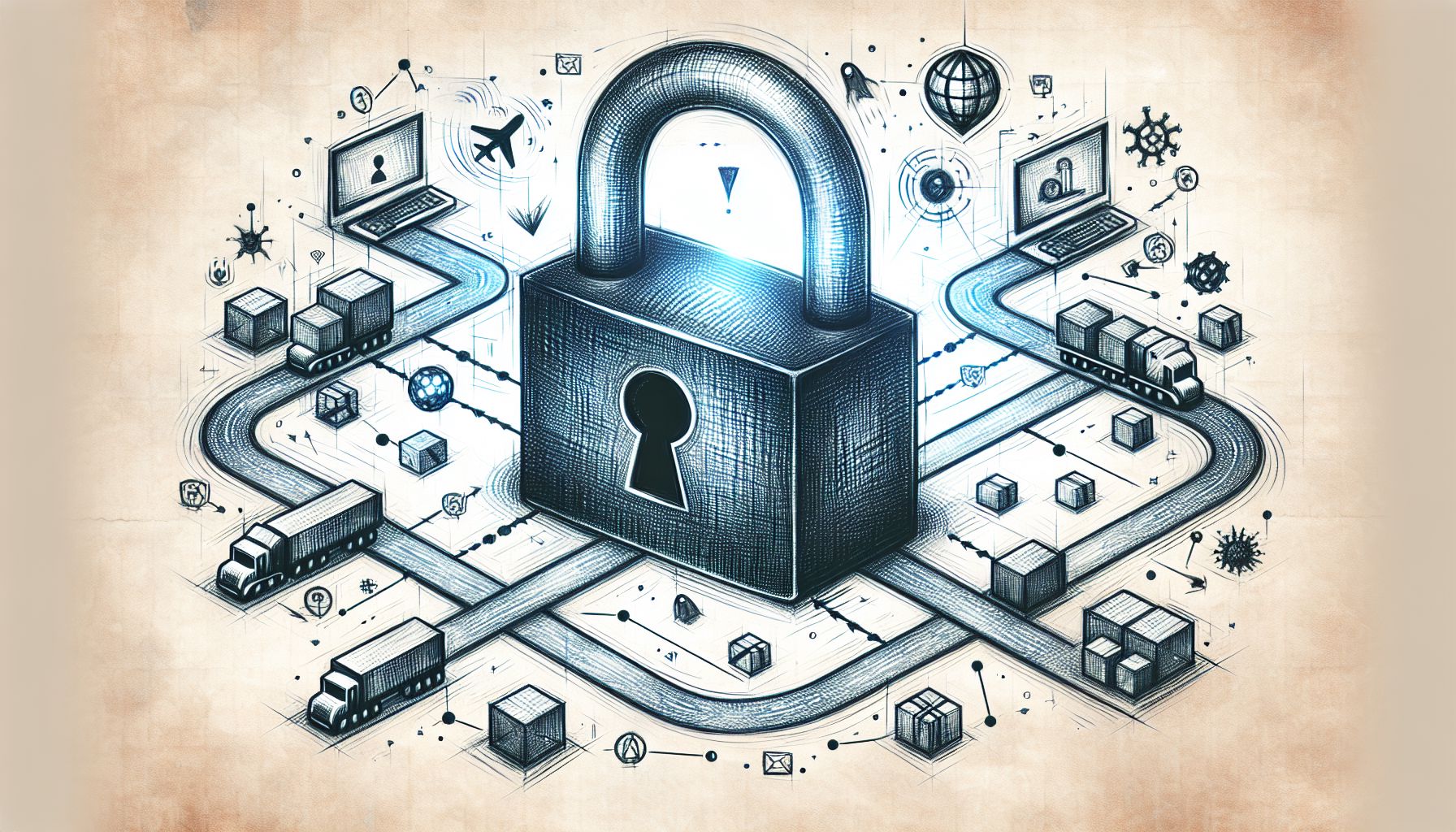
In summary, logistics companies must prioritize cybersecurity. They should evaluate risks, implement security protocols, and continuously educate employees. By doing so, they can protect their operations from potential cyber threats and ensure a smooth, secure supply chain.