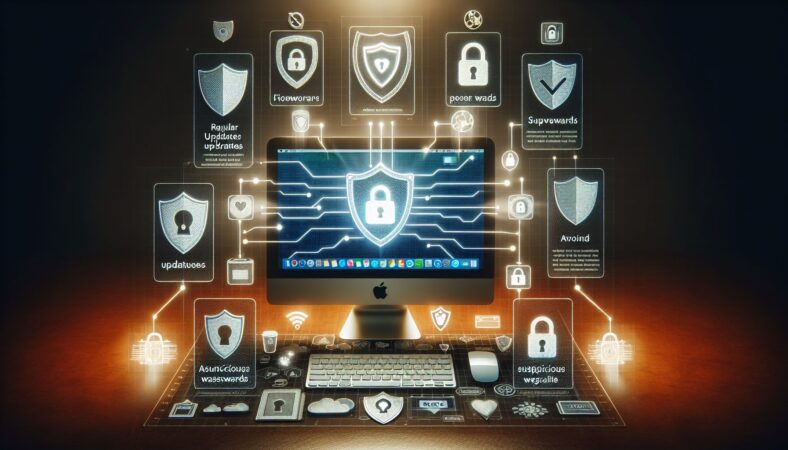
Media companies face unique challenges in cybersecurity. They handle sensitive information, interact with large audiences, and rely on technology for distribution. This article will provide practical guidance on cybersecurity for media companies.
Understanding Cybersecurity Risks
Cybersecurity risks vary for media companies. They often experience data breaches, hacking, and misinformation campaigns. Understanding these risks is the first step in protecting your organization.
Data Breaches
Data breaches occur when unauthorized individuals access sensitive information. For media companies, this can include personal data of employees and viewers. Such breaches can lead to identity theft and loss of trust.
Hacking
Hackers target media companies to disrupt operations or steal information. They may deface websites, spread false information, or cause financial losses. Understanding hacking techniques helps companies defend against these attacks.
Misinformation Campaigns
Misinformation campaigns can harm a media company’s reputation. Hackers may spread false news to damage credibility. Media companies need strategies to verify information and maintain trust with their audience.
Key Cybersecurity Strategies
Implementing effective cybersecurity strategies is crucial for media companies. Here are several essential strategies to consider.
Employee Training
Train employees on cybersecurity best practices. They should understand how to identify phishing emails, avoid clicking on suspicious links, and use strong passwords. Regular training sessions can strengthen overall cybersecurity awareness.
Strong Password Policies
Encourage strong password policies within the organization. Passwords should be complex, consist of a mix of letters, numbers, and symbols, and change regularly. Using multi-factor authentication adds an additional layer of security.
Regular Software Updates
Ensure all software and systems are up-to-date. Cybercriminals often exploit known vulnerabilities in outdated software. Regular updates protect against potential threats and enhance system security.
Secure Data Storage
Store sensitive data securely. Use encryption to protect data both at rest and in transit. Limit access to sensitive information and ensure that only authorized personnel can access it.
Implement Firewalls and Antivirus Software
Use firewalls and antivirus software to protect internal systems. These tools can block unauthorized access and detect harmful software. Regularly update them to protect against the latest threats.
Develop an Incident Response Plan
Create an incident response plan to address cyberattacks. This plan should outline steps to take during a breach and assign roles and responsibilities. Regularly review and practice this plan to ensure effectiveness.
Cybersecurity Tools for Media Companies
Several tools can enhance cybersecurity for media companies. Utilizing the right tools can strengthen defenses.
VPNs (Virtual Private Networks)
VPNs provide secure access to the internet. They encrypt data and protect online activity. Employees working remotely should use a VPN to safeguard their connections.
Monitoring Software
Monitoring software helps detect anomalies in network traffic. These tools can alert cybersecurity teams to unusual activities or potential threats in real time.
Backup Solutions
Regularly back up data to prevent loss during a cyber incident. Use automated backup solutions to ensure data is saved securely and is easily recoverable.
Security Information and Event Management (SIEM)
SIEM solutions collect and analyze security data. They help detect and respond to threats quickly. Implementing SIEM can provide a comprehensive view of network security.
Building a Cybersecurity Culture
A strong cybersecurity culture is vital for media companies. Employees should feel responsible for cybersecurity.
Leadership Support
Leadership should show commitment to cybersecurity. Management must prioritize cybersecurity in decision-making. This support fosters a culture of responsibility and awareness.
Encourage Reporting
Encourage employees to report suspicious activities. Create an open environment where employees can share concerns without fear of consequences. Prompt reporting can help prevent larger issues.
Recognition Programs
Implement recognition programs for employees who demonstrate good cybersecurity practices. Celebrating these behaviors reinforces their importance and motivates others to follow suit.
Collaborating with External Partners
Media companies should consider collaboration with external cybersecurity experts. These partnerships can offer additional resources and expertise.
Third-Party Cybersecurity Firms
Hiring third-party cybersecurity firms can enhance defenses. These firms can provide assessments, monitoring, and incident response services. Their expertise can be invaluable in strengthening security posture.
Industry Partnerships
Collaborate with industry partners to share knowledge and resources. Join associations or groups focused on cybersecurity. Sharing lessons learned and best practices can be beneficial.
Case Studies of Cybersecurity Failures
Learning from real-world examples can provide valuable insights into cybersecurity challenges for media companies.
The Sony Pictures Hack
In 2014, hackers gained access to Sony Pictures’ networks, resulting in leaked emails and unreleased films. This breach highlighted the importance of securing sensitive information and having an incident response plan.
The New York Times Cyberattack
In 2013, the New York Times experienced a cyberattack that disrupted its website. The attack was linked to foreign entities and highlighted vulnerabilities in security practices. This incident underlined the need for updated software and strong defenses.
Conclusion
Cybersecurity for media companies involves multiple layers of protection. By understanding risks, implementing strategies, and fostering a security-conscious culture, media organizations can better defend against cyber threats. Regular training, strong policies, and collaboration with experts can enhance overall security. Continuous improvement and vigilance are essential in maintaining a robust cybersecurity posture.
Ensuring safety not only protects data but also builds trust with audiences. A commitment to cybersecurity can set media companies apart in a digital landscape full of challenges.
With these practices, media companies can navigate cybersecurity challenges confidently. Taking proactive steps can safeguard information, maintain operations, and protect reputation in today’s interconnected world.