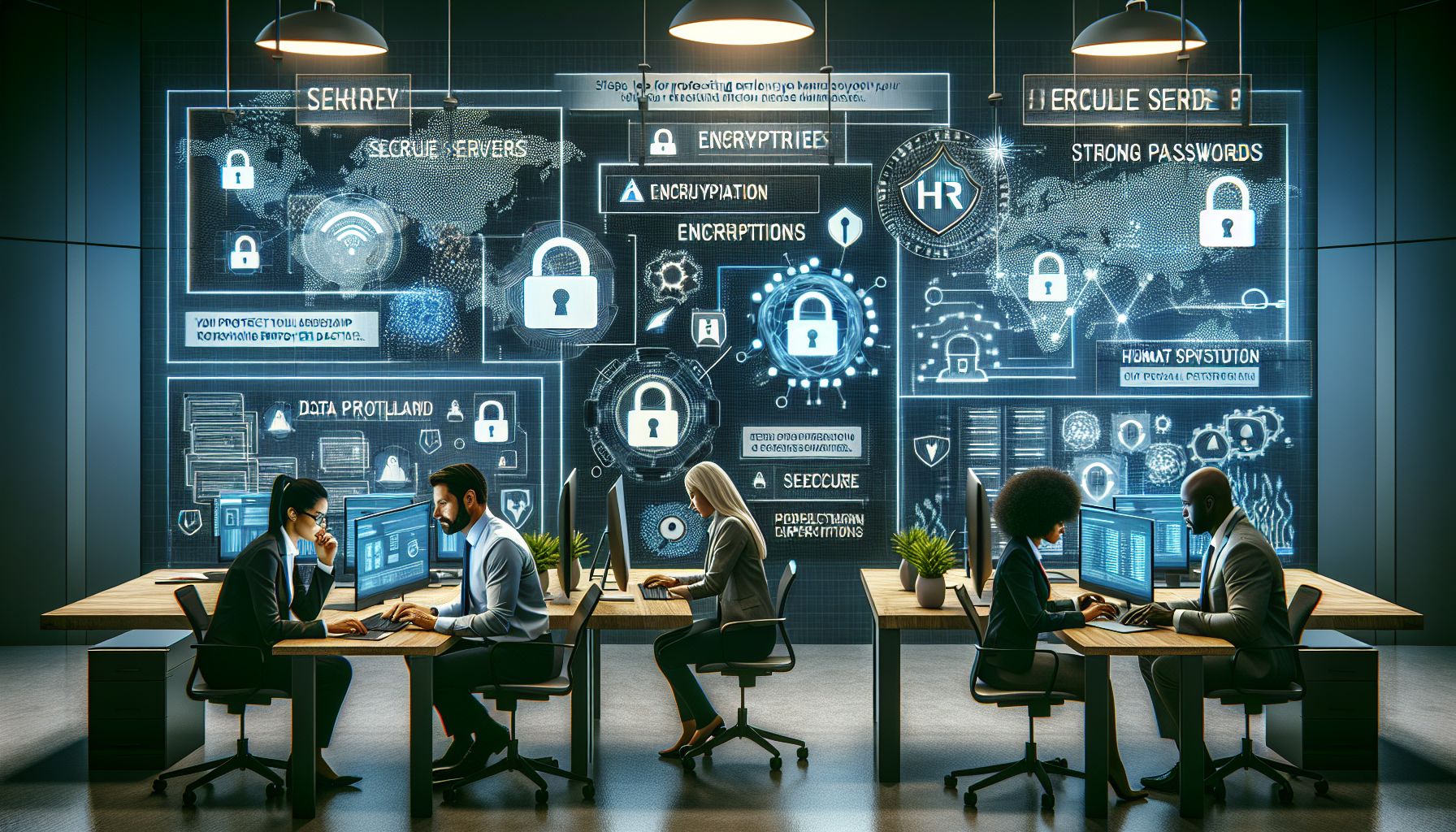
In today’s digital landscape, cybersecurity has become essential for organizations. Human Resource (HR) professionals play a significant role in safeguarding employee data. Protecting this information is vital not only for compliance but also for maintaining trust within the organization.
Understanding the Importance of Data Protection
Employee data includes personal details such as social security numbers, contact information, and financial data. Cybercriminals target this data for identity theft, financial fraud, and other malicious activities. HR professionals must recognize that any breach can lead to severe consequences for both employees and the organization.
Common Cyber Threats
HR departments face various cyber threats. Awareness of these threats helps in developing strong defenses.
-
Phishing Attacks: Attackers often use emails that appear legitimate to trick employees into sharing sensitive data. These emails may look like they come from management or suppliers. Employees should verify the sender before clicking on links or opening attachments.
-
Ransomware: This type of malicious software encrypts files and demands payment for their release. Ransomware can shut down HR operations, causing significant disruptions.
-
Insider Threats: Employees may inadvertently cause data breaches by ignoring security protocols or using weak passwords. Sometimes, disgruntled employees may intentionally leak sensitive information.
-
Unsecured Networks: Many employees access company data from personal devices or unsecured networks. This practice increases the risk of unauthorized access.
Best Practices for Cybersecurity in HR
To effectively protect employee data, HR professionals can implement several best practices.
1. Educate Employees
Training staff on cybersecurity risks is crucial. Conduct regular workshops to inform employees about phishing emails, password security, and safe internet practices. Ensure they understand the importance of protecting sensitive data.
2. Use Strong Passwords
Encourage employees to create strong passwords that are difficult to guess. Strong passwords typically include a mix of letters, numbers, and special characters. Additionally, implement policies that require regular password updates.
3. Implement Multi-Factor Authentication (MFA)
MFA adds an extra layer of security. Employees must provide two or more verification methods to access sensitive data. This process significantly reduces the risk of unauthorized access.
4. Secure Personal Devices
If employees use personal devices for work, implement a Bring Your Own Device (BYOD) policy. This policy should outline security measures, such as installing antivirus software and ensuring encryption on devices.
5. Regular System Updates
Keep software and systems updated. Updates often include patches that close security loopholes. Regular updates help protect against vulnerabilities that cybercriminals exploit.
6. Limit Access to Sensitive Data
Not all employees need access to all data. Implement role-based access controls to limit exposure to sensitive information. Only HR staff members should access employee records.
7. Conduct Regular Security Audits
Performing regular security audits helps identify weaknesses in your cybersecurity strategy. Evaluate current systems, policies, and practices to ensure they remain effective.
8. Develop an Incident Response Plan
Prepare for potential data breaches by developing an incident response plan. Outline steps to take in the event of a breach, including how to notify affected employees and authorities. A well-defined plan can reduce panic and help manage the situation efficiently.
The Role of Technology in Cybersecurity
Technology plays a vital role in enhancing cybersecurity measures. HR professionals should explore various tools to support their strategies.
Security Information and Event Management (SIEM)
SIEM tools collect and analyze security data in real-time. These tools can help identify unusual activities that may indicate a breach. Implementing SIEM can strengthen your overall security posture.
Endpoint Protection
Endpoint protection solutions secure devices that connect to your company network. This software detects malware and prevents unauthorized access to sensitive data on devices such as laptops and smartphones.
Data Encryption
Encrypting data ensures that only authorized personnel can read sensitive information. Even if data is intercepted, encryption renders it unusable to attackers. Implement encryption protocols for both storage and transmission of employee data.
Pros and Cons of Cybersecurity Measures
Pros
- Enhanced Data Protection: Implementing robust cybersecurity measures protects sensitive employee data from breaches.
- Increased Employee Trust: Employees feel safer when they know their personal information is secure.
- Regulatory Compliance: Adhering to cybersecurity guidelines helps comply with regulations, avoiding legal repercussions.
Cons
- Costs: Implementing sophisticated cybersecurity measures can be costly for organizations, requiring ongoing investment.
- Increased Complexity: Adding multiple security protocols may complicate the processes for HR professionals and employees.
- Possible Resistance: Employees may resist changes to their routines, especially if new protocols complicate their tasks.
Real-World Examples
Several companies have faced serious data breaches, highlighting the need for strong cybersecurity measures.
-
Target: In 2013, hackers accessed 40 million credit card numbers from customers. This breach damaged Target’s reputation and led to significant financial losses. The incident emphasized the need for securing customer and employee data together.
-
Equifax: In 2017, Equifax suffered a data breach that exposed sensitive personal information of 147 million people, including social security numbers and addresses. The breach resulted in lawsuits and hefty fines, showcasing the importance of protecting employee data.
-
Yahoo: Between 2013 and 2014, Yahoo experienced a massive data breach, affecting three billion accounts. The company faced criticism for its inadequate cybersecurity measures, highlighting vulnerabilities in their systems.
Conclusion
Cybersecurity is essential for HR professionals tasked with protecting employee data. By understanding the threats and implementing best practices, HR can safeguard sensitive information. Training employees, using technology, and developing clear policies are crucial steps in this endeavor. Investing time and resources into cybersecurity not only protects data but also fosters trust and confidence in the organization.
HR professionals must prioritize cybersecurity. Their proactive measures can help reduce risks and ensure a safe work environment for all employees. Protecting employee data is not just an HR responsibility; it is a critical aspect of organizational integrity.