
Cybersecurity is crucial in the healthcare sector. Healthcare organizations handle vast amounts of sensitive data. This includes patient records, billing information, and treatment histories. Protecting this data is essential for maintaining patient trust and regulatory compliance.
The Importance of Cybersecurity in Healthcare
Patient information is highly valuable. Cybercriminals target healthcare organizations to steal data for financial gain. A breach can have serious consequences. It can lead to identity theft, financial loss, and disruption of medical services. Beyond financial implications, a data breach can harm a patient’s wellbeing by compromising their confidential information.
Healthcare providers also face compliance requirements. Regulations like HIPAA in the United States mandate specific security measures for patient data. Failing to comply can result in hefty fines and legal actions. Thus, healthcare organizations must prioritize cybersecurity to protect both patients and their own interests.
Common Cybersecurity Threats
Understanding common threats is a critical step in improving cybersecurity. Here are some prevalent types of threats in healthcare:
Ransomware Attacks
Ransomware is a major concern. Cybercriminals use malware to encrypt a victim’s data. They then demand a ransom for decryption keys. Healthcare organizations are attractive targets because they often rely on quick access to data for patient care. A successful ransomware attack can halt operations and lead to compromised patient care.
Phishing Scams
Phishing scams target employees to gain access to sensitive data. Attackers send fraudulent emails that appear legitimate, tricking recipients into revealing login credentials or clicking on malicious links. Training staff to recognize these scams is vital for prevention.
Data Breaches
Data breaches can occur from various sources. Internal sources include employees misusing access or unintentional exposure. External sources often involve hacking attempts to infiltrate systems. Organizations must implement strict access controls to minimize the risk of internal breaches.
Insider Threats
Employees or contractors with access to sensitive data pose risks. Insider threats can be intentional or unintentional. Training employees on data handling and implementing monitoring mechanisms reduce these risks.
Implementing Cybersecurity Measures
Healthcare organizations can adopt several strategies to enhance cybersecurity. Here are some effective measures:
Staff Training and Awareness
Educating employees is a fundamental step. Regular training sessions on cybersecurity best practices help staff recognize threats. Empowering employees to understand their role in safeguarding data can drastically reduce risks.
Strong Password Policies
Implementing strong password policies is critical. Organizations should enforce the use of complex passwords and encourage regular password changes. Multi-factor authentication adds an additional layer of security, making unauthorized access more difficult.
Data Encryption
Encrypting data is essential for protecting information at rest and in transit. Encryption renders data unreadable without the correct decryption keys. This measure can significantly mitigate the impact of data breaches.
Regular Software Updates
Keeping software and systems updated is crucial. Cybercriminals exploit outdated software vulnerabilities. Regular updates and patch management help ensure that systems are secure against known threats.
Incident Response Plans
Having an incident response plan allows organizations to respond quickly to cybersecurity threats. This plan should include steps for identifying, containing, and recovering from incidents. Regular drills can prepare staff for potential breaches.
The Role of Technology in Cybersecurity
Technology plays a significant role in protecting patient information. Here are some tools and approaches used in healthcare cybersecurity:
Firewall Protection
Firewalls act as barriers between trusted and untrusted networks. They monitor incoming and outgoing traffic and block malicious attempts to access systems. Implementing firewalls is a fundamental step in defending against cyber threats.
Intrusion Detection Systems
Intrusion detection systems (IDS) monitor network activity for suspicious behavior. These systems can alert administrators to potential threats, allowing for rapid responses. Using IDS enhances an organization’s ability to detect breaches before they escalate.
Security Information and Event Management (SIEM)
SIEM tools aggregate and analyze data from various sources. These tools help in identifying patterns that indicate security threats. By providing a comprehensive view of security events, SIEM enables quicker responses to incidents.
Endpoint Protection
Devices such as computers and mobile phones are vulnerable points of entry. Endpoint protection solutions offer real-time monitoring and response capabilities. They help to safeguard devices that access sensitive data.
Cloud Security
Many healthcare organizations are transitioning to cloud services. While cloud solutions offer many benefits, they also present security challenges. Implementing robust cloud security measures, including encryption and access controls, helps protect data stored in the cloud.
Regulatory Compliance
Healthcare organizations must adhere to various regulations governing patient data protection. Compliance not only ensures legal accountability but also builds patient trust. Key regulations include:
The Health Insurance Portability and Accountability Act (HIPAA)
HIPAA sets standards for protecting sensitive patient information. Compliance requires organizations to implement administrative, physical, and technical safeguards. It is crucial for staff to understand these requirements and adhere to them diligently.
The Health Information Technology for Economic and Clinical Health (HITECH) Act
This act promotes the meaningful use of electronic health records (EHR). HITECH also strengthens HIPAA enforcement and increases penalties for non-compliance. Organizations must understand its provisions to maintain compliance.
Challenges in Cybersecurity
Despite efforts to safeguard data, healthcare organizations face several challenges:
Limited Resources
Many organizations operate with constrained budgets. Allocating funds for cybersecurity initiatives can be difficult, especially for smaller providers. This limitation can lead to inadequate protection against threats.
Rapid Technological Changes
The fast pace of technological advancement often outstrips organizations’ ability to adapt. New systems and platforms can introduce vulnerabilities. Healthcare providers must stay informed and prepared to address emerging threats.
Evolving Threat Landscape
Cybercriminals constantly develop new tactics and tools to breach defenses. Staying ahead of these evolving threats requires ongoing training, vigilance, and investment in security technology.
Best Practices for Ensuring Cybersecurity
To ensure effective cybersecurity in healthcare, organizations should:
- Foster a culture of cybersecurity awareness among all staff members.
- Regularly review and update cybersecurity policies and protocols.
- Conduct routine risk assessments to identify vulnerabilities.
- Collaborate with cybersecurity experts for guidance and support.
- Engage with industry groups to share knowledge and resources.
Conclusion
Cybersecurity in healthcare is essential for protecting patient information. As cyber threats continue to rise, healthcare organizations must prioritize safeguarding sensitive data. By implementing effective measures and fostering a culture of cybersecurity, they can secure patient trust and comply with regulations. The healthcare industry must remain vigilant and prepared in the fight against cybercrime.
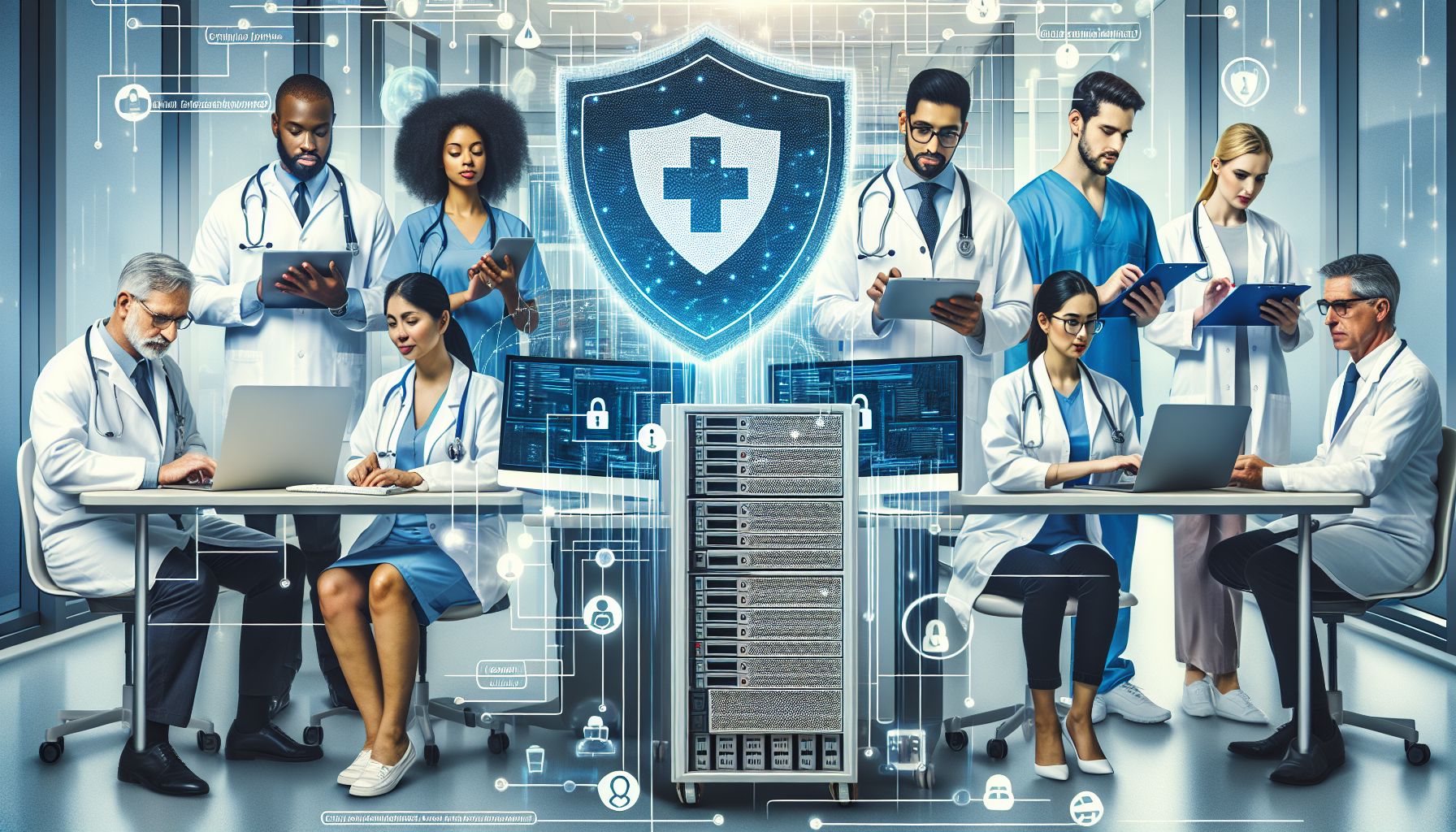
The importance of strong cybersecurity cannot be overstated. By equipping healthcare organizations with the necessary tools and knowledge, they can navigate the challenges posed by cyber threats and continue to provide quality patient care without compromising safety.