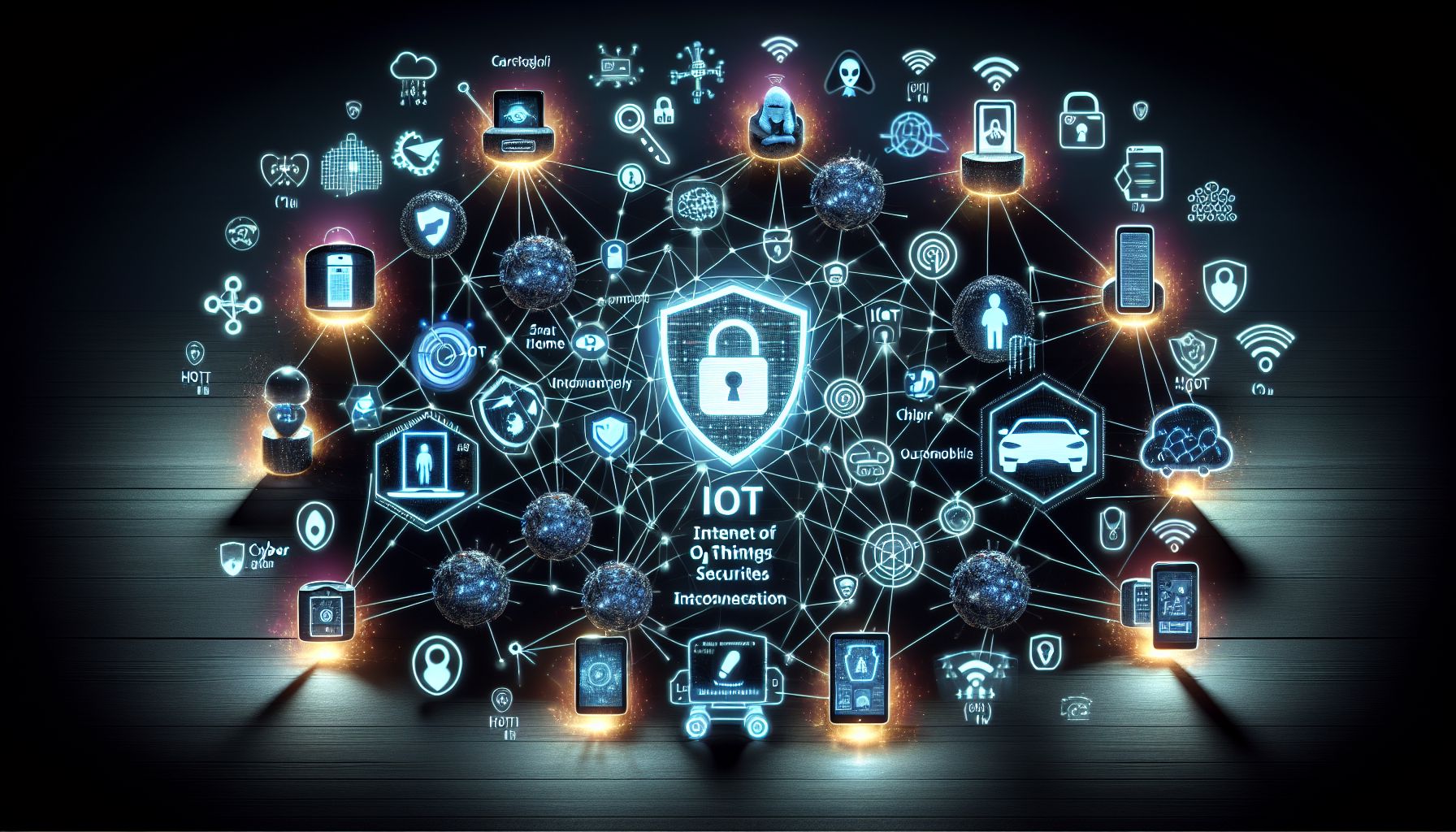
The Internet of Things (IoT) represents a network of devices connected to the internet. These devices include everyday items like smart thermostats, security cameras, and wearable fitness trackers. While IoT enhances convenience and efficiency, it also introduces unique cybersecurity risks. Understanding these risks and addressing them is essential for protecting personal and organizational data.
Understanding IoT Security Challenges
The sheer number of connected devices has caused a rise in potential attack vectors. A single organization might have thousands of devices, each offering a new entry point for cybercriminals. IoT devices often have limited processing power, resulting in weaker security. Many devices prioritize functionality, leaving security as an afterthought.
Common IoT security challenges include:
-
Weak Passwords: Many IoT devices come with default passwords that users often forget to change. This oversight makes them easy targets for hackers.
-
Insecure Firmware: Device manufacturers sometimes release firmware that contains vulnerabilities. Once exploited, these weaknesses can grant attackers access to network resources.
-
Lack of Updates: Some devices do not support firmware updates. Without regular software patches, known vulnerabilities remain.
-
Poor Configuration: Many users do not configure IoT devices securely. Misconfigurations can leave devices exposed to attacks.
Cybersecurity for IoT: Best Practices
Effective cybersecurity for IoT requires a multi-layered approach. Here are several best practices:
1. Change Default Passwords
Immediately change any default passwords when setting up a new device. Use a strong and unique password that combines letters, numbers, and special characters. Regularly updating passwords enhances security.
2. Keep Software Updated
Ensure all IoT devices receive regular firmware updates. Manufacturers often release patches to fix known vulnerabilities. Enabling automatic updates can simplify this process.
3. Secure the Network
Configure your home or business network securely. Use a firewall to monitor incoming and outgoing traffic. Segment IoT devices on a separate network to limit exposure to core systems.
4. Disable Unnecessary Features
Many devices come with features that may not be needed. Disable features like remote access or unused ports to reduce potential attack surfaces.
5. Use Network Monitoring Tools
Implement network monitoring tools to track all connected devices. Regularly check for any unfamiliar device or unusual activity.
6. Educate Users
Educate employees or family members about IoT security. Awareness of security best practices can significantly reduce risks associated with mishandling devices.
Common IoT Cyberattacks
Understanding the types of cyberattacks can help in developing preventive measures. Here are a few notable types of attacks affecting IoT devices:
DDoS Attacks
Distributed Denial of Service (DDoS) attacks use multiple compromised IoT devices to overwhelm a target system. The result can be a complete shutdown of services. For example, in 2016, a massive DDoS attack targeted Dyn, a major Domain Name System provider. This attack caused widespread internet outages and demonstrated how interconnected devices can be exploited.
Man-in-the-Middle Attacks
In these attacks, cybercriminals intercept communication between two devices. This attack can allow hackers to capture sensitive information. For instance, if an attacker accesses a smart doorbell camera, they can view live feeds and possibly manipulate device settings.
Ransomware Attacks
Ransomware can infect IoT devices, encrypting data and demanding payment for release. A recent example includes ransomware targeting smart city infrastructures, paralyzing functions like traffic lights and public transportation systems.
Case Studies of IoT Security Breaches
Real-world examples illustrate the importance of cybersecurity for IoT. Here are two notable breaches:
Case Study 1: The Mirai Botnet
In 2016, the Mirai botnet exploited unprotected IoT devices to launch DDoS attacks on several major websites. The botnet consisted of cameras, routers, and other devices with default passwords. The attacks highlighted the need for better security in consumer devices and the importance of changing default settings.
Case Study 2: A Smart Camera Hack
A smart camera manufacturer suffered a data breach. Hackers accessed live feeds from the cameras, exposing sensitive moments in users’ homes. The breach was attributed to poor password enforcement and outdated firmware. This incident underscores the need for strong authentication measures and regular updates.
The Role of Manufacturers in IoT Security
While users have responsibilities in securing IoT devices, manufacturers also play a crucial role. They should prioritize security during the design phase. Implementing strong security measures can reduce risks for users and limit vulnerabilities in their products.
Best Practices for Manufacturers
-
Secure Development Lifecycle: Incorporate security at every stage of product development.
-
Default Security Settings: Set secure defaults that require users to take steps to lower security, rather than have security settings be permissive by default.
-
Robust Testing: Regularly test devices for vulnerabilities before release. Engage in bug bounty programs to identify and resolve security issues.
-
User-Friendly Updates: Make software updates easy to apply, ensuring users keep devices secure.
Conclusion
Cybersecurity for IoT is vital to protect sensitive data and maintain trust in connected devices. Both users and manufacturers must take proactive steps. By implementing best practices and enhancing security awareness, we can combat the risks associated with IoT. Ultimately, a commitment to security can safeguard our increasingly connected lives, where convenience meets responsibility.
Additional Considerations
As IoT continues to expand, the associated security challenges will evolve. Staying informed about new vulnerabilities and emerging threats is essential. Tools and strategies for IoT security will continue to develop, providing users with effective ways to protect their devices and data.
Private and public sectors must collaborate to create comprehensive regulations and standards that promote security in IoT. This effort should ensure that innovation does not come at the expense of safety. As IoT technology advances, a collective focus on cybersecurity will lead to safer digital environments for all.