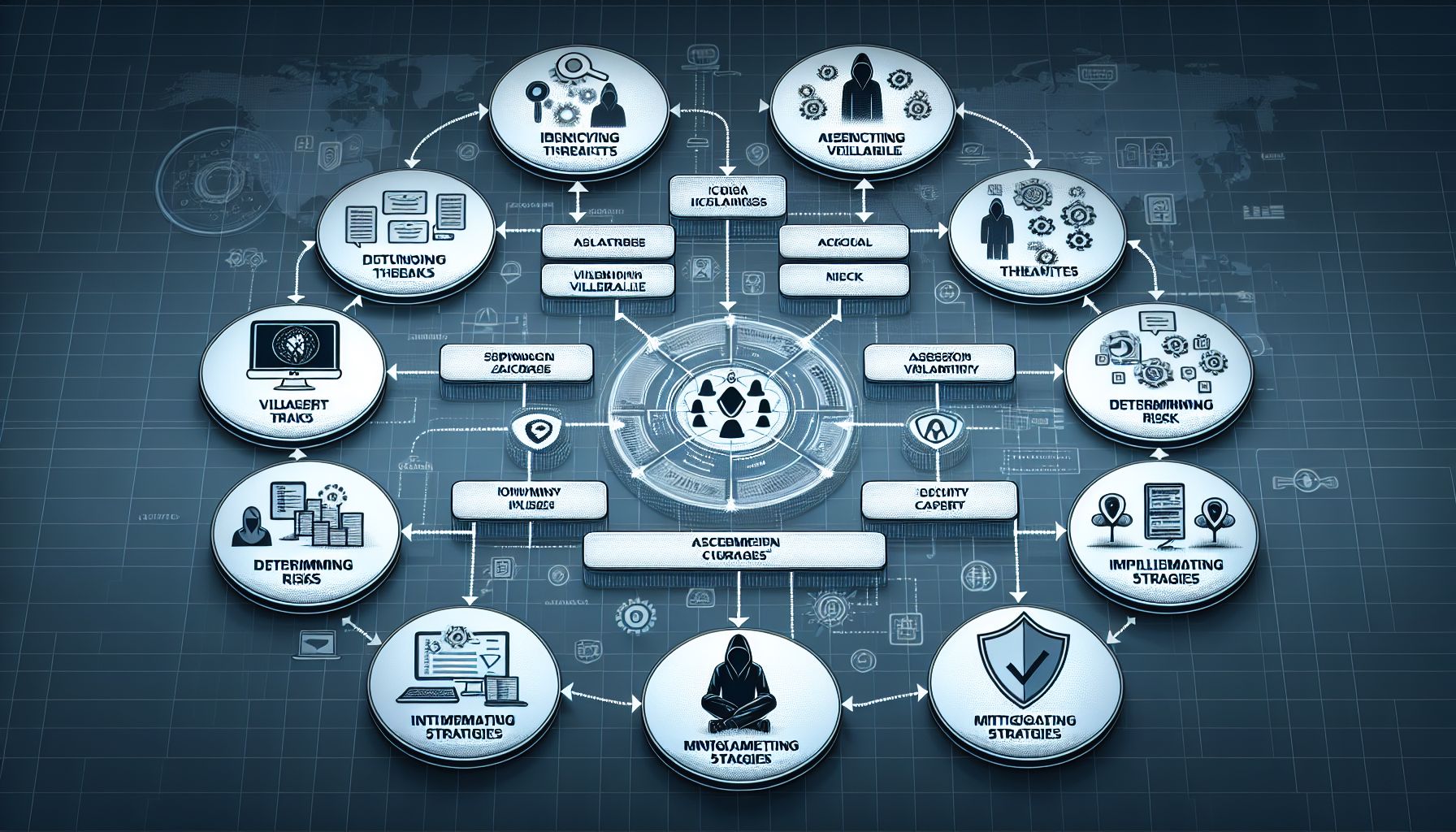
Cybersecurity risk assessment is a critical process for organizations. It helps identify, evaluate, and manage potential risks to information systems and data. In a world where cyber threats are increasing, understanding how to conduct a cybersecurity risk assessment is essential. This article provides a clear, step-by-step approach to performing an effective risk assessment.
What is Cybersecurity Risk Assessment?
Cybersecurity risk assessment is the process of identifying vulnerabilities in your systems and analyzing the potential impact of various threats. It helps organizations develop strategies to mitigate risks and protect sensitive information. This process includes the evaluation of threats, vulnerabilities, and the effectiveness of current security measures.
Why is Cybersecurity Risk Assessment Important?
Cybersecurity risk assessments are important for several reasons. They help organizations:
- Identify Vulnerabilities: Discover weaknesses in systems that could be exploited by attackers.
- Prioritize Risks: Understand which risks are most critical and require immediate attention.
- Allocate Resources: Make informed decisions about where to invest in security measures.
- Comply with Regulations: Meet legal and regulatory requirements for data protection.
- Enhance Security Posture: Improve overall security by addressing identified weaknesses.
Step 1: Identify Assets
The first step in a cybersecurity risk assessment is to identify all assets. Assets can include hardware, software, data, and personnel. You should compile a comprehensive inventory of what your organization has. This inventory will serve as a foundation for understanding what needs protection.
Example:
– Hardware: Servers, computers, and network devices.
– Software: Operating systems, applications, and security tools.
– Data: Customer data, financial records, and intellectual property.
By knowing what assets you have, you can better understand the importance of each in your organization’s operations.
Step 2: Assess Threats and Vulnerabilities
Next, assess the threats that could impact your assets. Common types of threats include:
- Malware: Software designed to disrupt or damage systems.
- Phishing Attacks: Fraudulent attempts to obtain sensitive information.
- Insider Threats: Risks posed by current or former employees.
Once you identify possible threats, analyze vulnerabilities associated with each asset. Vulnerabilities can be weaknesses in software, misconfigured systems, or lack of employee training.
Example:
If you have an outdated software application, it may be susceptible to exploitation by hackers. Understanding this vulnerability helps you prioritize which issues to address.
Step 3: Determine the Impact
The next step is to determine the potential impact of each threat. Impact assessment involves considering the consequences for your organization if a specific threat successfully exploits a vulnerability.
Categories of Impact:
– Financial: Financial loss due to data breaches or service downtime.
– Reputational: Loss of customer trust and damage to the brand.
– Operational: Disruption to business processes and loss of productivity.
By evaluating the impact, you can prioritize risks based on their potential consequences.
Step 4: Analyze Likelihood
After assessing the impact, analyze the likelihood of each threat occurring. Consider factors such as historical data, industry trends, and the effectiveness of existing security measures. This analysis allows you to evaluate how probable each risk is.
Example:
If your organization frequently experiences phishing attempts, the likelihood of such attacks succeeding may be high. Conversely, if you have strong security measures in place, the risk may be lower.
Step 5: Evaluate and Prioritize Risks
With information from the previous steps, evaluate and prioritize the identified risks. Use a risk matrix to classify risks based on their likelihood and impact. This classification helps you visualize which risks require immediate attention and which can wait.
Risk Matrix Example:
| Impact \ Likelihood | High Risk | Medium Risk | Low Risk |
|———————|———–|————-|———-|
| High | R1 | R2 | R3 |
| Medium | R4 | R5 | R6 |
| Low | R7 | R8 | R9 |
By categorizing risks, you can create a focused plan to address the most critical threats.
Step 6: Develop Mitigation Strategies
Once you have identified and prioritized risks, it’s time to develop mitigation strategies. This involves determining how to reduce risks to acceptable levels. Consider the following measures:
- Implement Security Controls: Install firewalls, antivirus software, and access controls.
- Employee Training: Educate staff on cybersecurity best practices and how to recognize threats.
- Regular Software Updates: Keep software and systems updated to close security gaps.
- Incident Response Plan: Develop a plan for responding to security incidents swiftly.
Example:
If phishing attacks are a high-risk threat, implementing regular employee training on recognizing phishing emails can significantly reduce the risk.
Step 7: Monitor and Review
The final step in the cybersecurity risk assessment is to monitor and review the risk landscape continuously. Cyber threats change frequently, making it essential to revisit your assessments regularly.
Key Actions:
– Conduct regular vulnerability assessments.
– Update risk assessments after significant changes or incidents.
– Stay informed about new threats and security trends.
By maintaining an ongoing review process, you ensure that your cybersecurity measures remain effective and relevant.
Pros and Cons of Cybersecurity Risk Assessment
Pros
- Enhanced Security: Regular risk assessments lead to stronger security.
- Legal Compliance: Helps meet regulatory requirements.
- Resource Allocation: Improves decision-making related to security investments.
- Increased Awareness: Fosters a culture of security within the organization.
Cons
- Resource Intensive: Conducting a thorough assessment can be time-consuming and requires skilled personnel.
- Evolving Threats: Risks change rapidly, which may make assessments quickly obsolete.
- Potential Overconfidence: A false sense of security may result if risks appear manageable without addressing underlying vulnerabilities.
Conclusion
Cybersecurity risk assessment is a vital process for protecting organizations from cyber threats. By following this step-by-step approach, organizations can identify, evaluate, and mitigate risks effectively. Regular assessments help maintain a strong security posture. Remember that cybersecurity is an ongoing effort. Regularly revisit your risk assessment to adapt to new threats and changes in your organization.
By making cybersecurity a priority, organizations can protect their assets and ensure business continuity in today’s digital landscape.