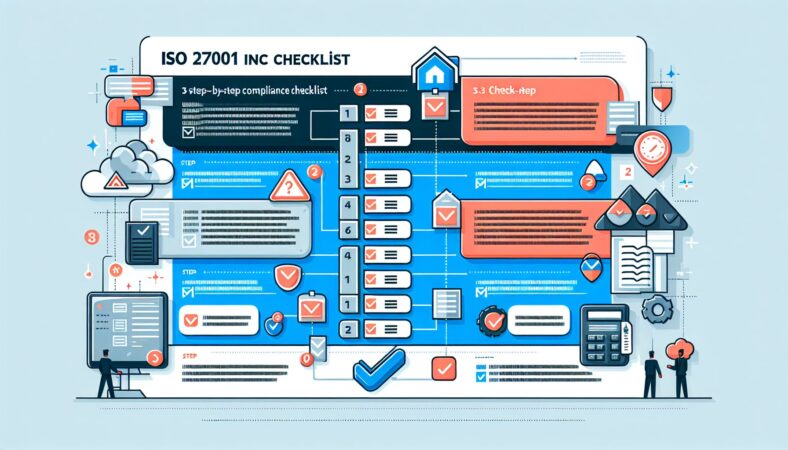
Achieving ISO 27001 compliance is vital for organizations that prioritize information security. This international standard outlines how to manage data security effectively. This article presents a detailed ISO 27001 compliance checklist to guide you through the process.
Understanding ISO 27001
ISO 27001 is a standard for information security management systems (ISMS). Organizations can use it to create, implement, maintain, and improve their ISMS. Compliance shows stakeholders that the organization is serious about protecting sensitive information.
Benefits of ISO 27001 Compliance
- Risk Management: ISO 27001 helps identify potential risks. Managing these risks reduces liabilities.
- Customer Trust: Being ISO 27001 compliant builds trust with clients and partners.
- Regulatory Compliance: Achieving this certification often meets regulatory requirements for data protection.
- Process Improvement: The standard encourages continuous improvement in security practices.
- Competitive Advantage: Companies with certifications can stand out in the market.
Step 1: Define the Scope of Your ISMS
Start by defining what information you want to protect. This step includes:
- Identifying all relevant assets, such as data systems and processes.
- Determining the boundaries of the ISMS.
- Considering physical locations and departments involved.
Example
A healthcare provider might focus on protecting patient records, billing data, and internal communication systems.
Step 2: Conduct a Risk Assessment
Risk assessments form the foundation of ISO 27001. This process includes:
- Identifying potential threats and vulnerabilities.
- Evaluating the likely impact and likelihood of these risks.
- Prioritizing risks based on their impact on the organization.
Consider using a risk assessment matrix to visualize your findings.
Step 3: Establish Security Controls
Based on your risk assessment, implement appropriate controls. These may include:
- Technical Controls: Firewalls, encryption, and intrusion detection systems.
- Administrative Controls: Policies, procedures, and training programs.
- Physical Controls: Security measures for facilities, such as access controls and surveillance.
Step 4: Develop Documentation
ISO 27001 requires thorough documentation. Key documents include:
- Information Security Policy: Outline the organization’s approach to information security.
- Risk Assessment Report: Document findings and decisions from your risk assessment.
- Statement of Applicability: List controls being used and their status.
Documentation helps ensure consistency and accountability across the organization.
Step 5: Train Employees
Employees play a critical role in information security. Conduct training sessions to cover:
- The importance of information security.
- How to use security tools and follow policies.
- Recognizing potential security threats.
Regular training keeps security at the forefront of employee responsibilities.
Step 6: Implement Security Controls
Put the identified security controls into action. Ensure each control aligns with the risk assessment. Test these controls to confirm they function correctly. Continual monitoring will help identify areas needing improvement.
Step 7: Monitor and Review
Monitoring is crucial for maintaining ISO 27001 compliance. Implement a system to regularly review:
- Security incidents and responses.
- Control effectiveness and areas for improvement.
- Compliance with policies and procedures.
Use audits to assess your ISMS. This process ensures ongoing compliance and effectiveness.
Step 8: Perform Internal Audits
Conducting internal audits is essential for identifying gaps. This process helps:
- Assess compliance with ISO 27001.
- Identify areas needing corrective action.
- Verify the effectiveness of the ISMS.
Schedule audits regularly and document the findings.
Step 9: Management Review
Management should review the ISMS at planned intervals. This review includes:
- Assessing audit results.
- Evaluating changes impacting the ISMS.
- Ensuring alignment with organizational objectives.
These reviews foster a culture of continuous improvement.
Step 10: Continuous Improvement
ISO 27001 emphasizes the need for continuous improvement. Encourage feedback from employees and stakeholders. Adjust processes and controls based on new risks and changes in the organization.
Common Challenges in ISO 27001 Compliance
- Resource Allocation: Some organizations struggle to allocate the necessary resources for compliance.
- Lack of Expertise: Limited knowledge about ISO 27001 can hinder progress.
- Employee Engagement: Ensuring all employees understand their roles in information security is crucial.
- Changing Threat Landscape: As security threats evolve, organizations must adapt their controls accordingly.
Conclusion
Following this ISO 27001 compliance checklist can help your organization establish a robust information security management system. By addressing risks, implementing controls, and committing to continuous improvement, you can safeguard sensitive information.
Achieving ISO 27001 compliance brings significant benefits. It enhances your organization’s reputation, demonstrates your commitment to security, and ensures your stakeholders that you prioritize data protection.
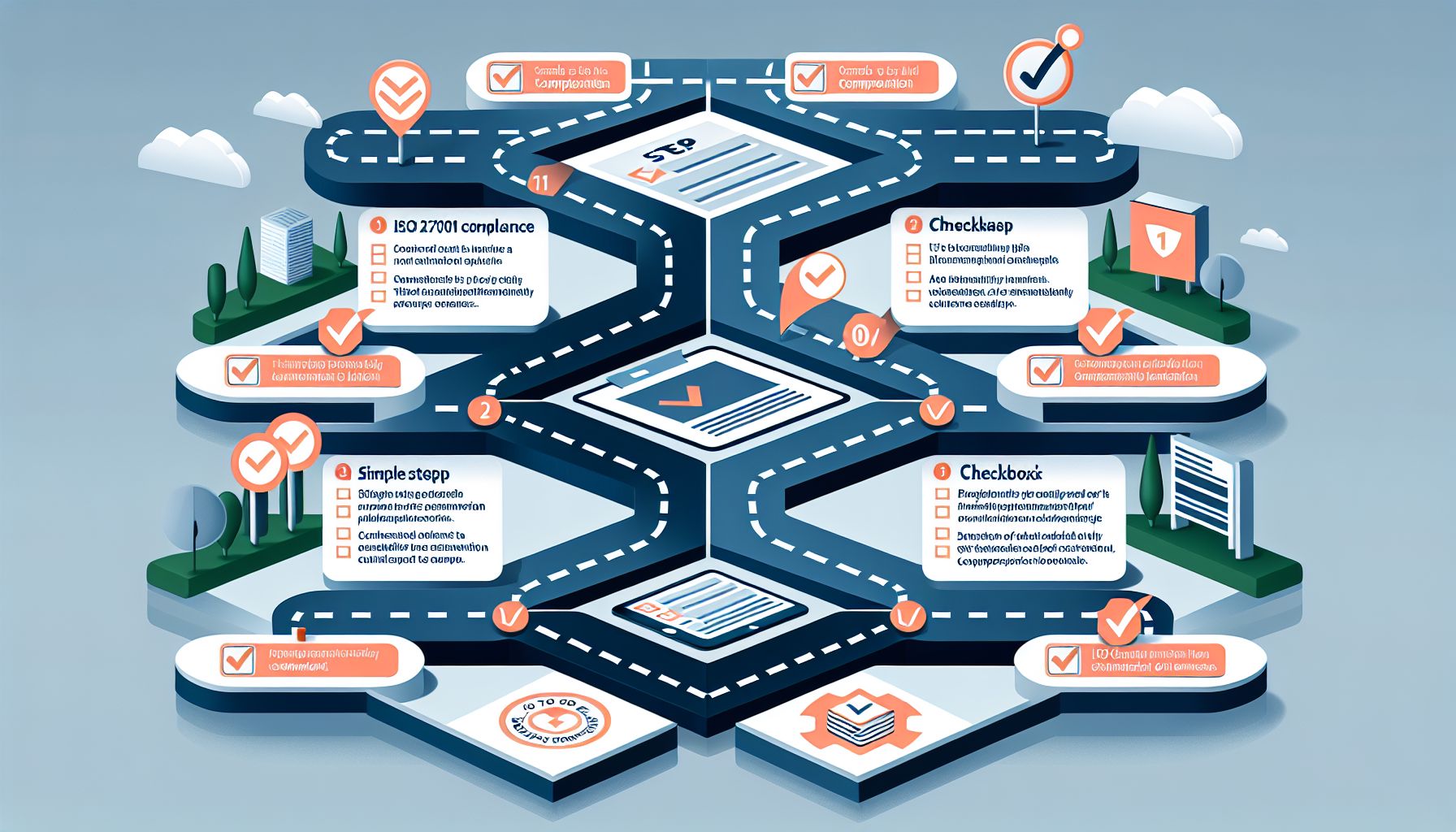
By following the outlined steps, organizations can confidently navigate the certification process and maintain compliance for long-term security success. Remember that compliance is not a one-time effort; it requires ongoing commitment and refinement to remain effective.