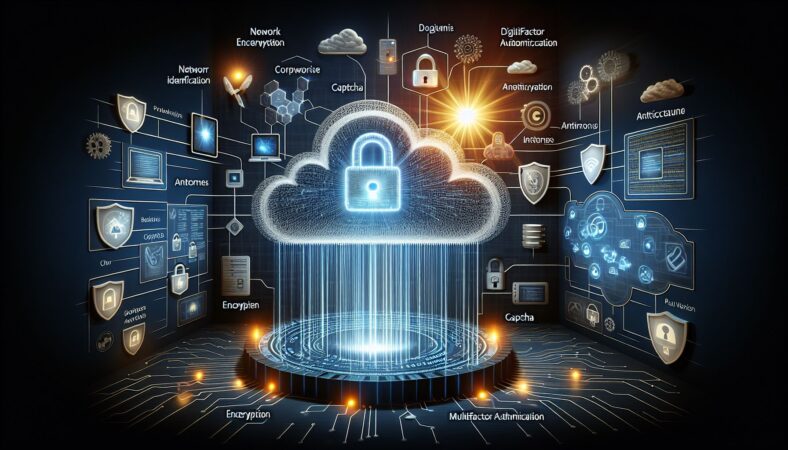
In today’s digital landscape, cybersecurity for SaaS companies is essential. SaaS, or Software as a Service, delivers software over the internet. While this model offers accessibility and convenience, it also presents significant security challenges. This article explores how SaaS companies can protect their services and users.
Understanding Cybersecurity for SaaS
Cybersecurity for SaaS involves measures taken to secure cloud-based applications and protect user data. SaaS companies typically store sensitive information, making them targets for cybercriminals. A cybersecurity breach can lead to data loss, reputational harm, and legal repercussions.
Key Risks Facing SaaS Companies
SaaS companies face various cybersecurity risks. Knowing these risks can help organizations develop better protection strategies.
Data Breaches
Data breaches occur when unauthorized individuals access confidential information. SaaS providers manage large amounts of user data, making them prime targets. A single data breach can expose sensitive customer information, including payment details and personal identification.
DDoS Attacks
Distributed Denial of Service (DDoS) attacks flood servers with traffic, rendering services unusable. These attacks can result in downtime and revenue loss. SaaS companies must implement protections against DDoS attacks to maintain service availability.
Insider Threats
Insider threats can emerge from current or former employees. Employees may misuse access privileges, intentionally or unintentionally, leading to security incidents. Regular training and monitoring can help mitigate these risks.
Insecure APIs
Application Programming Interfaces (APIs) allow different software systems to communicate. Insecure APIs can provide pathways for attackers. SaaS companies should ensure their APIs are secure and undergo regular testing.
Best Practices for Cybersecurity in SaaS
Implementing best practices can help SaaS companies improve their security posture.
Use Strong Authentication Methods
Authentication safeguards user accounts. Companies should implement multi-factor authentication (MFA) to add an extra layer of security. MFA requires users to provide two or more verification factors to gain access.
Encrypt Data
Encryption transforms data into a format unreadable without a key. SaaS companies should encrypt data in transit and at rest. This ensures that even if attackers access the data, they cannot use it without the decryption key.
Regular Security Audits
Conducting regular security audits helps identify vulnerabilities. These audits should assess both technical and operational aspects. Companies can address weaknesses before they become serious problems.
Educate Employees
Employees play a vital role in cybersecurity. Training them on best practices helps reduce risks. Regular sessions on recognizing phishing attempts and secure password practices can strengthen security culture.
Implement a Secure Development Process
Follow secure coding practices during application development. This includes regular code reviews, vulnerability assessments, and employing security testing tools. Building security into the development process reduces risks over time.
Monitor and Respond to Threats
Continuous monitoring of systems can help detect threats early. Companies should implement security information and event management (SIEM) solutions to analyze security alerts in real time. Quick response to incidents can minimize damage.
Backup Data
Regularly backup data to secure locations. In the event of a data loss incident, a recent backup can help restore functionality quickly. SaaS companies should have a clear data recovery plan in place.
Choosing the Right Tools
Many tools can help improve cybersecurity for SaaS companies. Selecting the right tools is crucial for maintaining a strong security posture.
Firewalls
Firewalls act as barriers between secure internal networks and untrusted external networks. They analyze and filter incoming and outgoing traffic. Using firewalls is vital to prevent unauthorized access to resources.
Antivirus Software
Antivirus software detects and removes malware. SaaS companies should use reliable antivirus solutions that offer real-time protection and regular updates to safeguard against new threats.
Intrusion Detection Systems (IDS)
IDS monitor network traffic for suspicious activity. They alert administrators about potential intrusions, allowing for quick reactions to threats.
Security Software Suites
Comprehensive security suites combine multiple security features, such as antivirus, firewall, and intrusion detection. Choosing a suite can simplify management and provide a holistic security approach.
Compliance and Regulatory Considerations
SaaS companies often operate in regulated industries. Compliance with laws and regulations is crucial for maintaining user trust. SaaS providers should familiarize themselves with relevant regulations, such as GDPR, HIPAA, or CCPA.
Understand Applicable Regulations
Each industry may have different regulatory requirements. Companies must identify regulations that apply to their operations. Staying compliant helps avoid legal issues and enhances consumer confidence.
Conduct Regular Compliance Assessments
Regular assessments ensure compliance with applicable regulations. These evaluations should check both technical and operational adherence to standards. Non-compliance can lead to legal consequences and damage to reputation.
The Importance of Incident Response Planning
Incident response planning prepares companies for security breaches. A well-defined plan minimizes downtime and reduces damage.
Create an Incident Response Team
Establish a dedicated incident response team responsible for managing security incidents. This team should consist of members from IT, legal, and communication departments. Training the team on responding to breaches helps streamline the process.
Develop a Response Plan
An effective response plan outlines steps to take during an incident. This includes identifying the incident, containing the threat, eradicating the root cause, and recovering services. A well-documented plan ensures quick and coordinated reactions.
Communicate with Stakeholders
Timely communication with stakeholders during an incident is essential. This includes informing customers about data breaches and actions taken to mitigate harm. Maintaining transparency preserves trust even in difficult situations.
Conclusion
Cybersecurity for SaaS companies is critical in protecting user data and maintaining trust. By understanding risks and implementing best practices, organizations can enhance their security posture. Regular audits, employee education, and effective tools contribute to a sustainable cybersecurity strategy. In today’s digital world, robust protection is not just an option; it is a necessity.
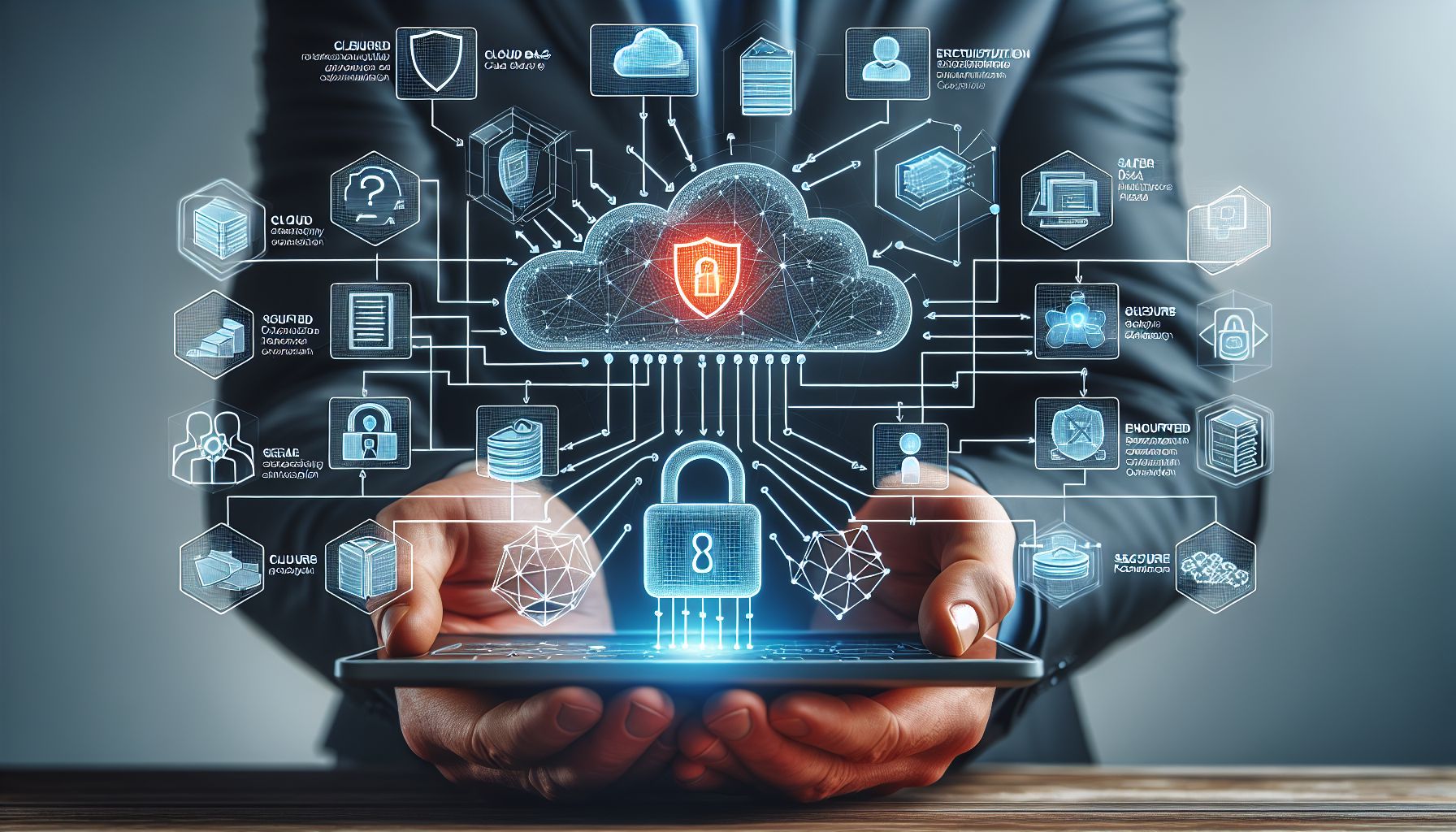
SaaS companies must remain vigilant and proactive. Cybersecurity is an ongoing process that requires commitment and adaptation. By prioritizing security, SaaS providers can offer reliable services while safeguarding their users.